WISH I WAS THERE
curated by Yair Barak
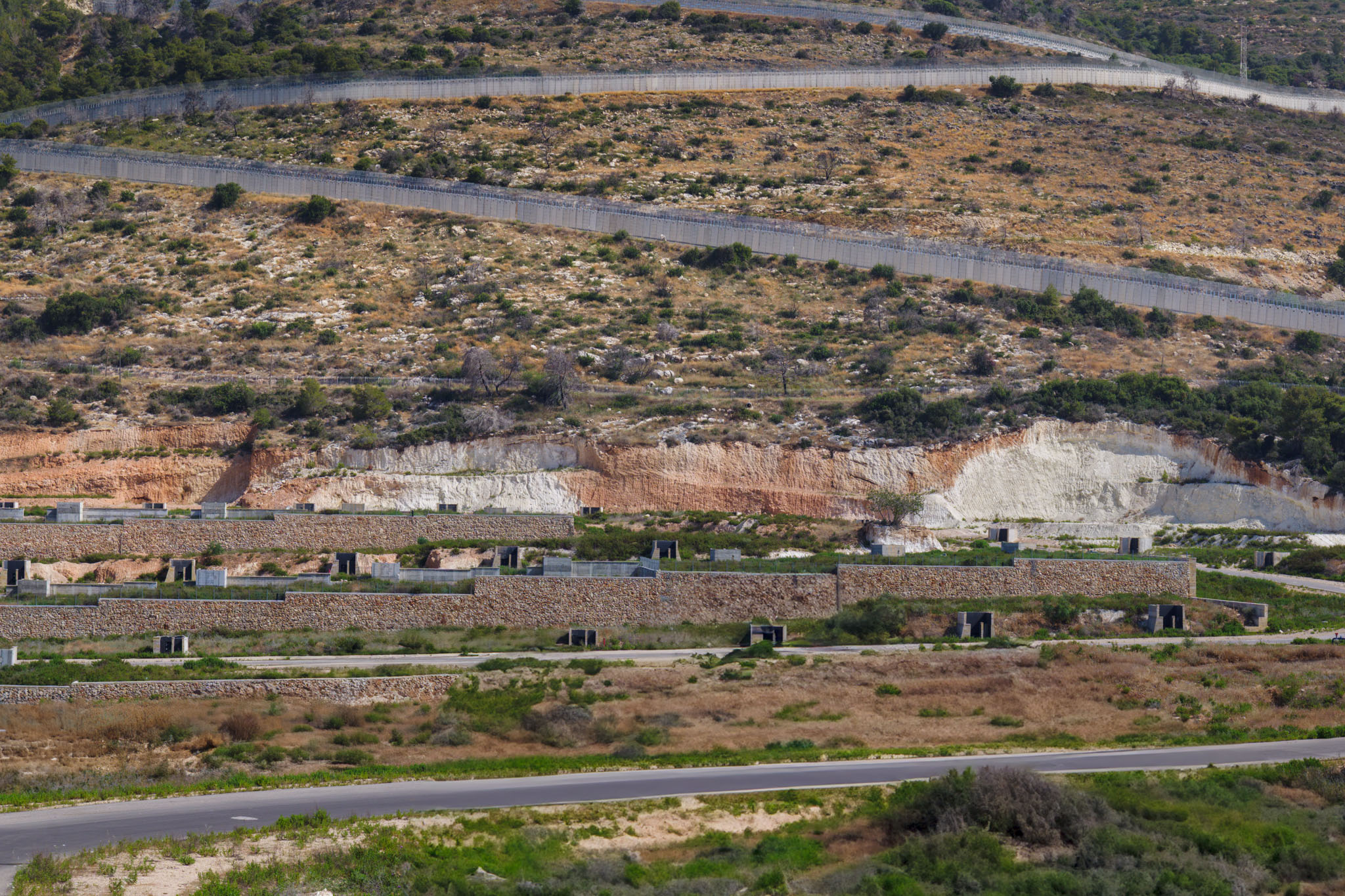
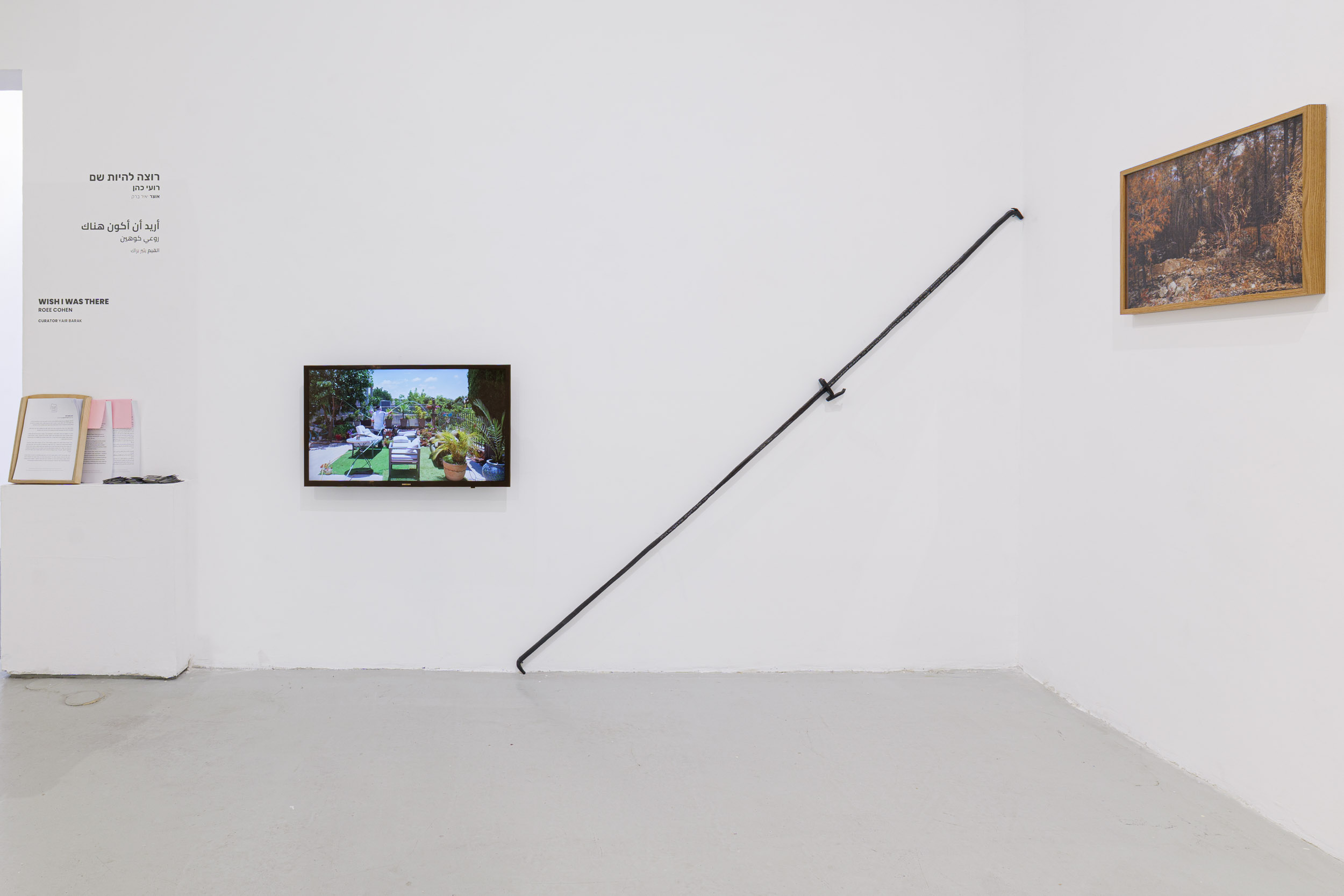
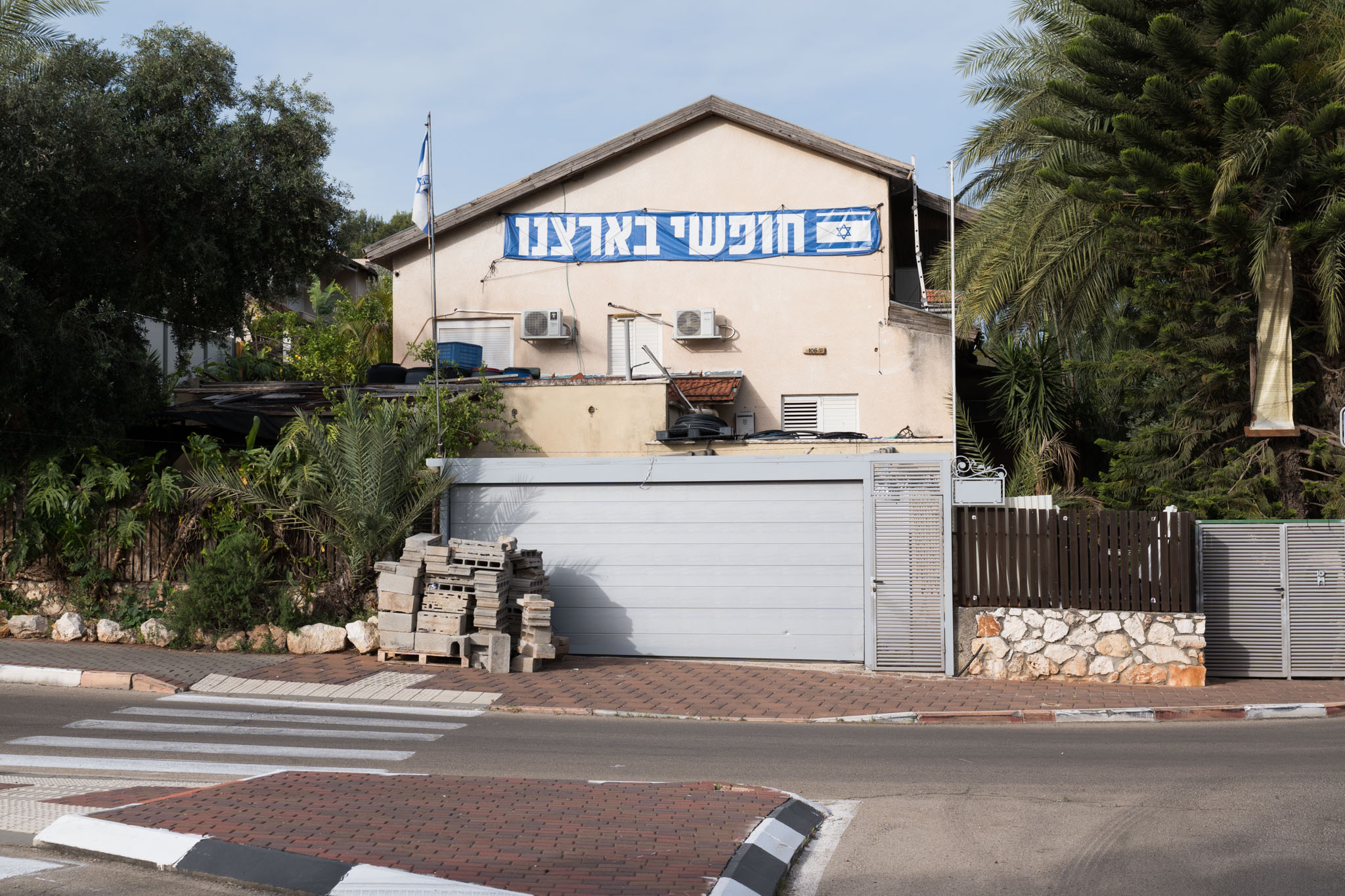
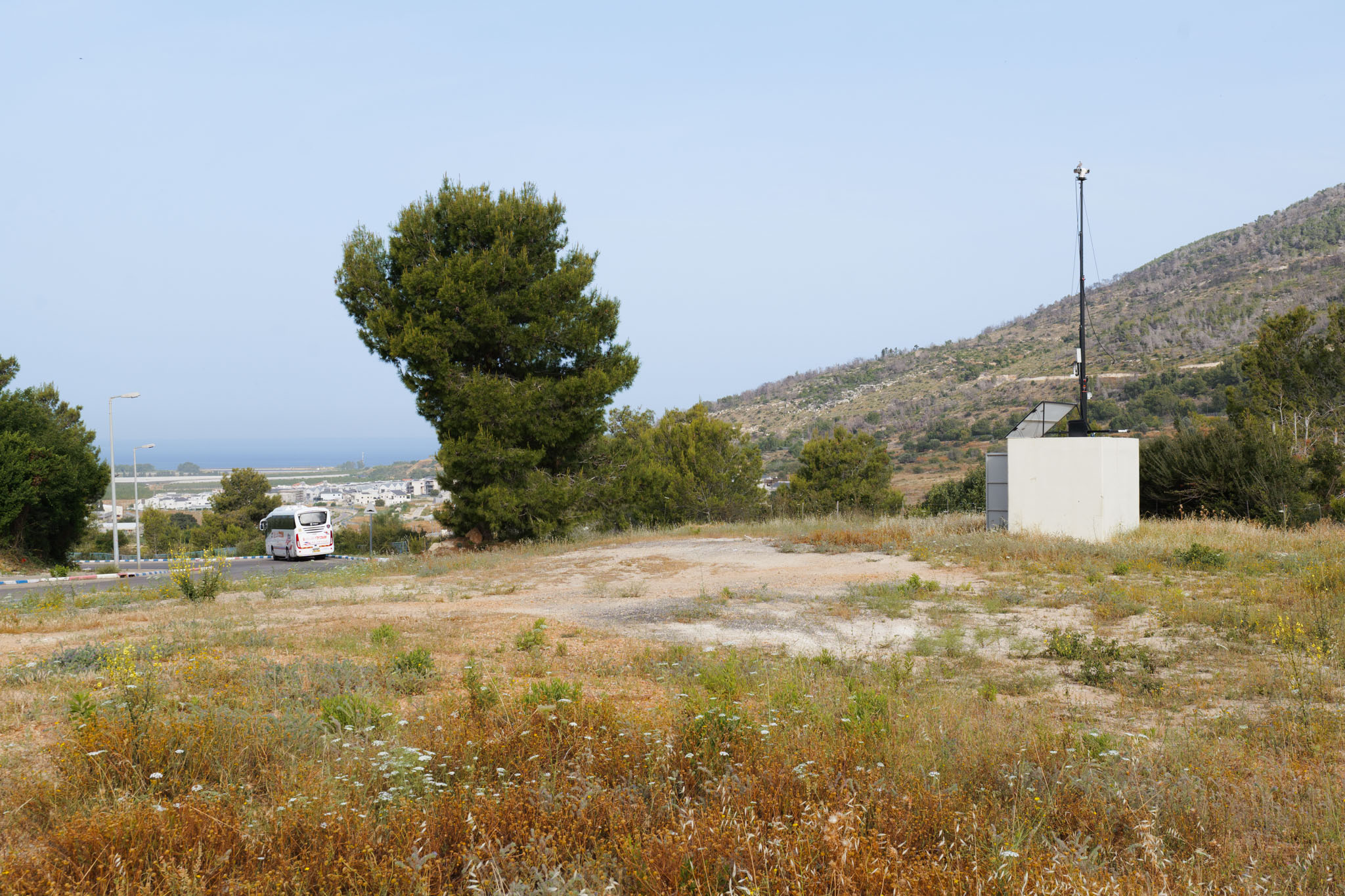
This project began with a simple, almost instinctive urge: I wanted to "be there." For me, the northern border isn't just a headline; it’s the landscape of my childhood. I remember passing through Shlomi as a kid, using a fake ID from a local kibbutz just to get into Banana Beach. When the war started and the north was evacuated, leaving dozens of communities as ghost towns, I felt a pull to move toward the silence rather than away from it.
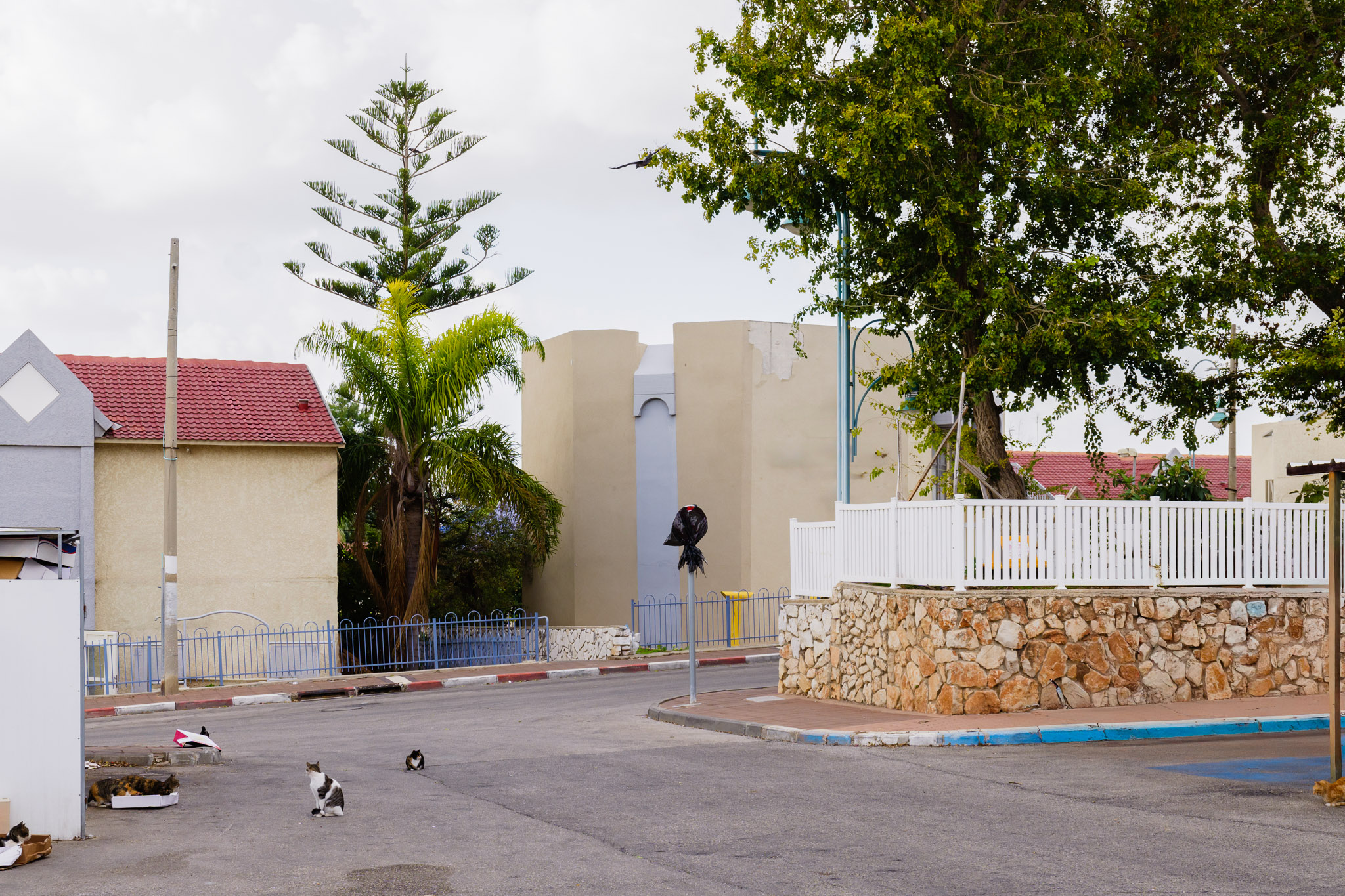
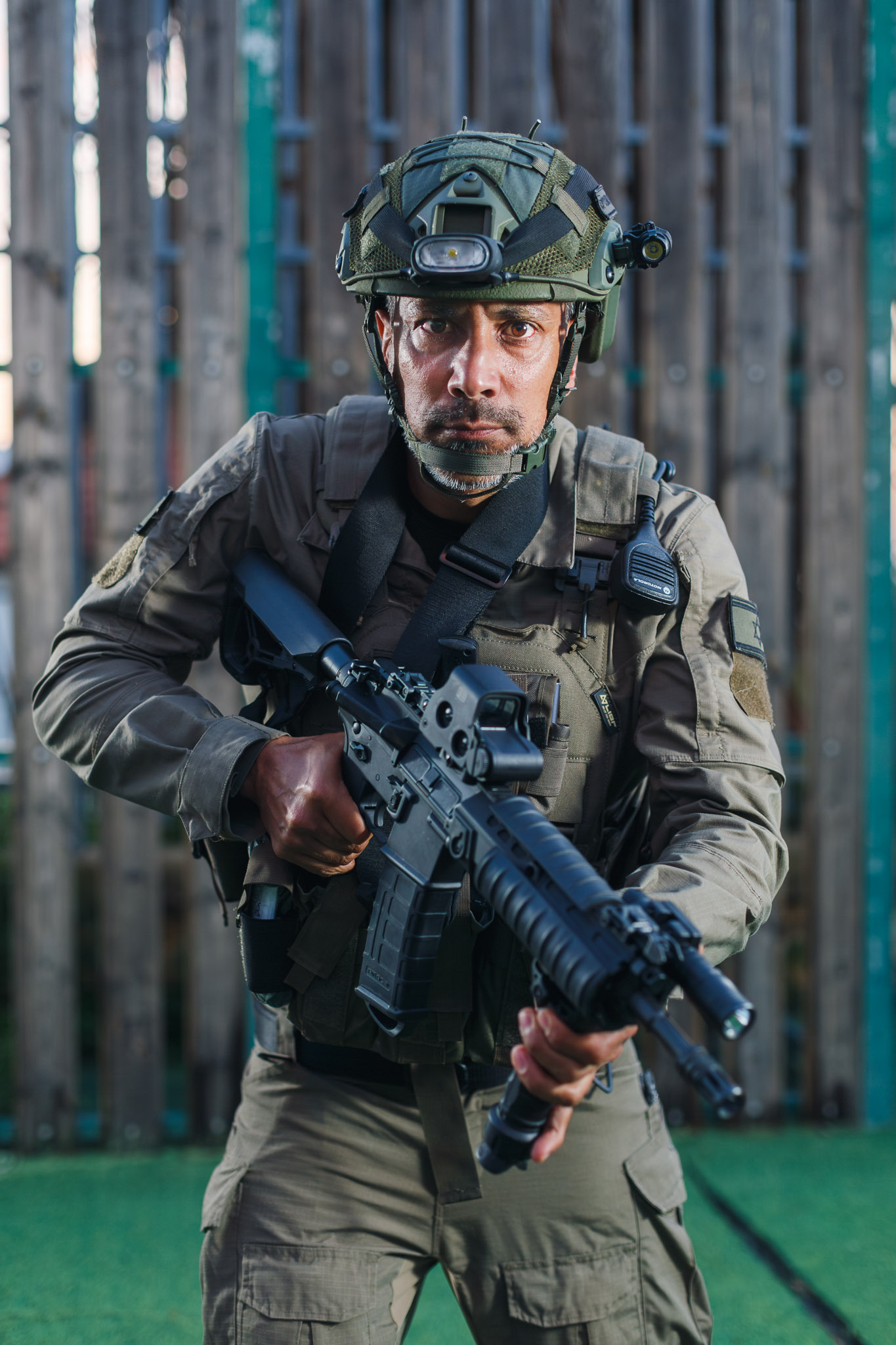
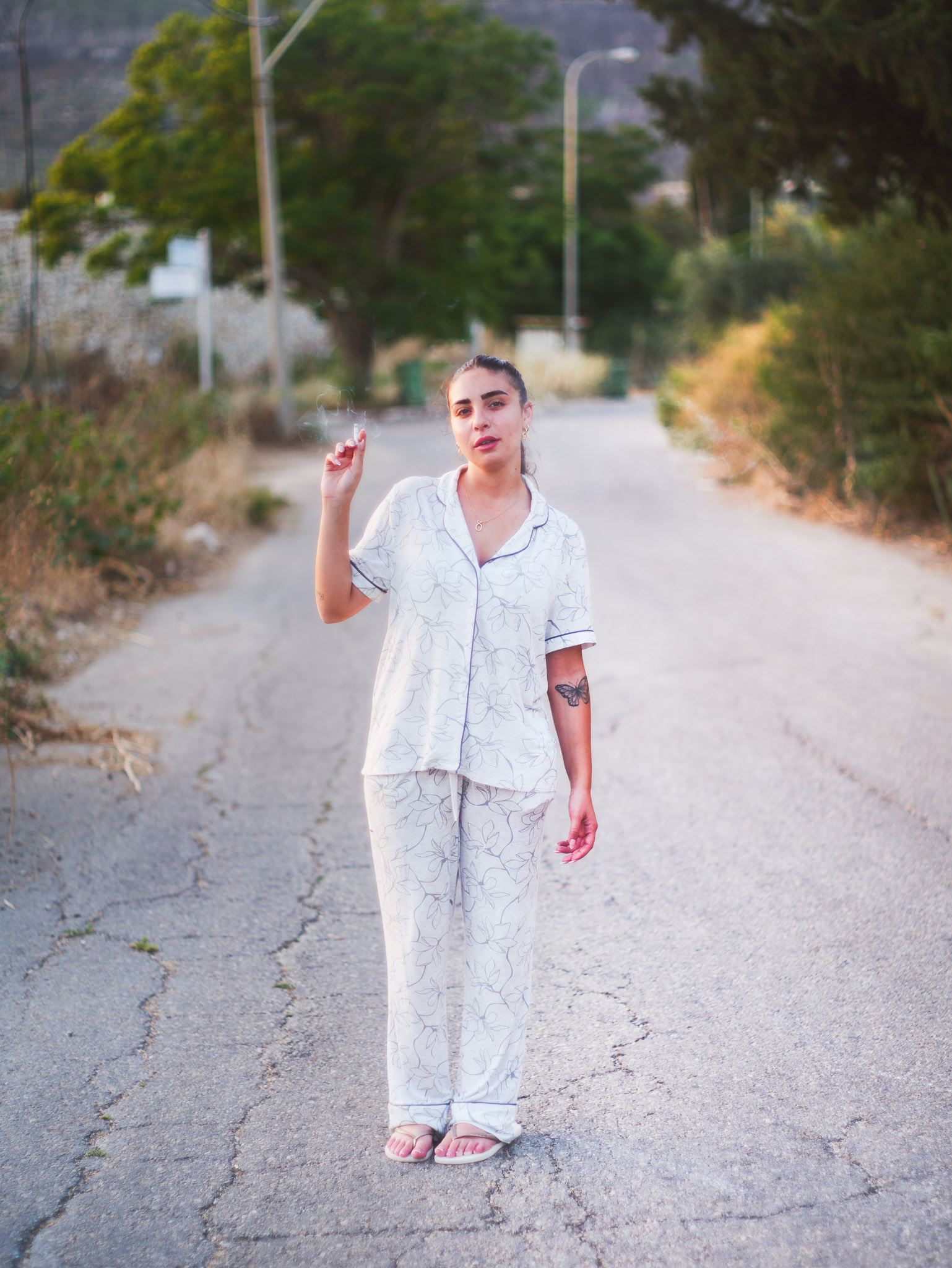
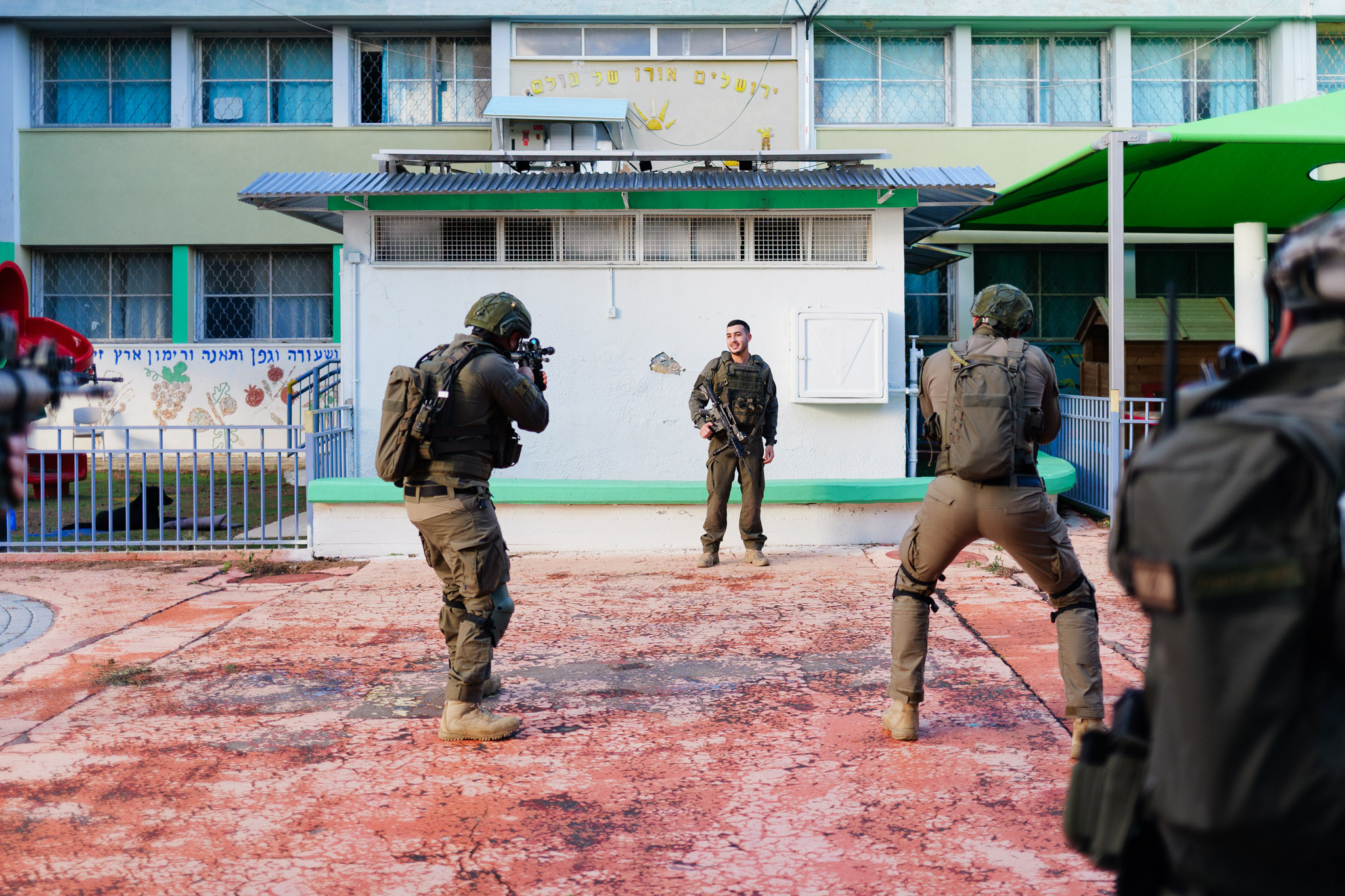
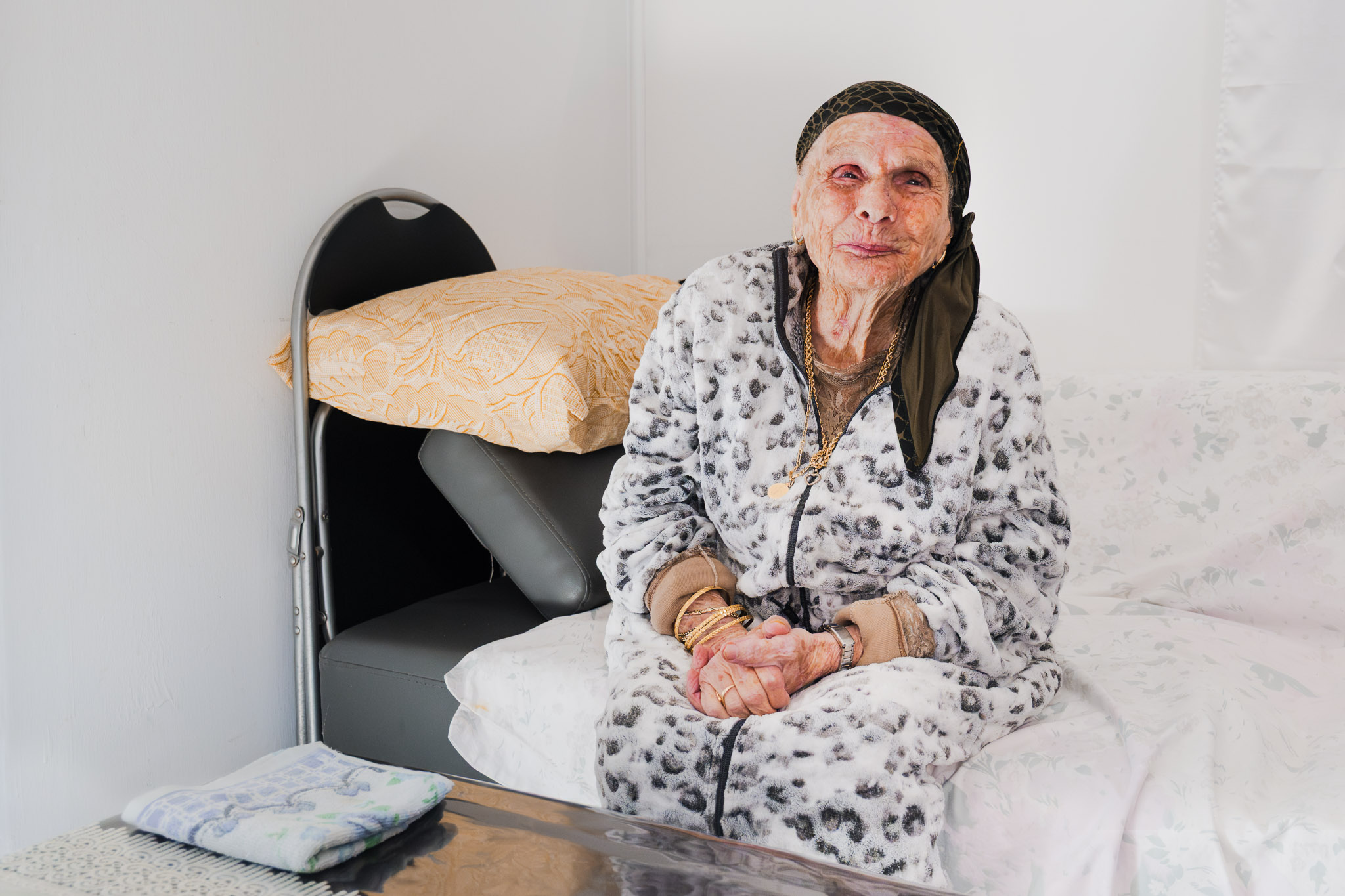
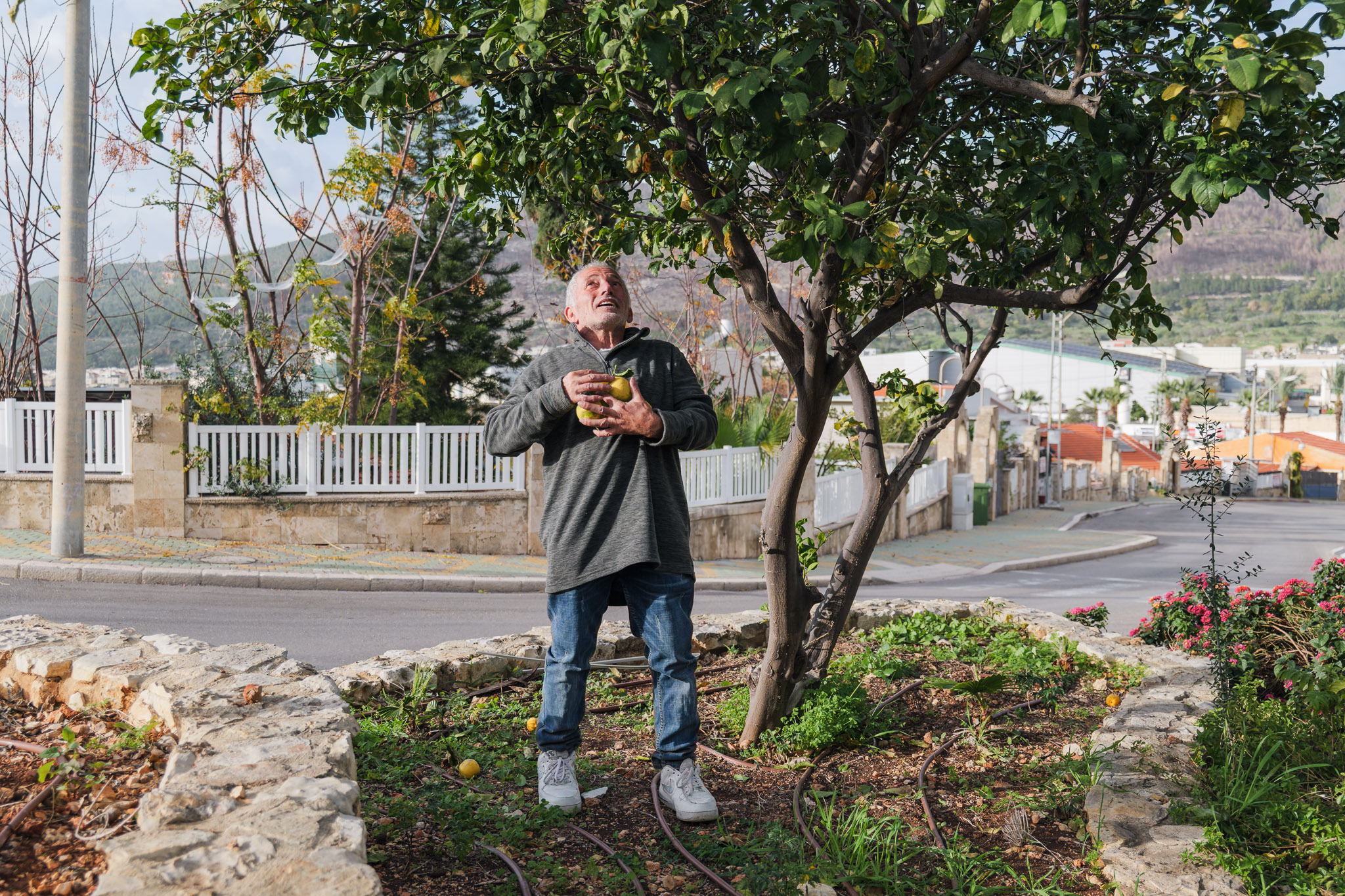
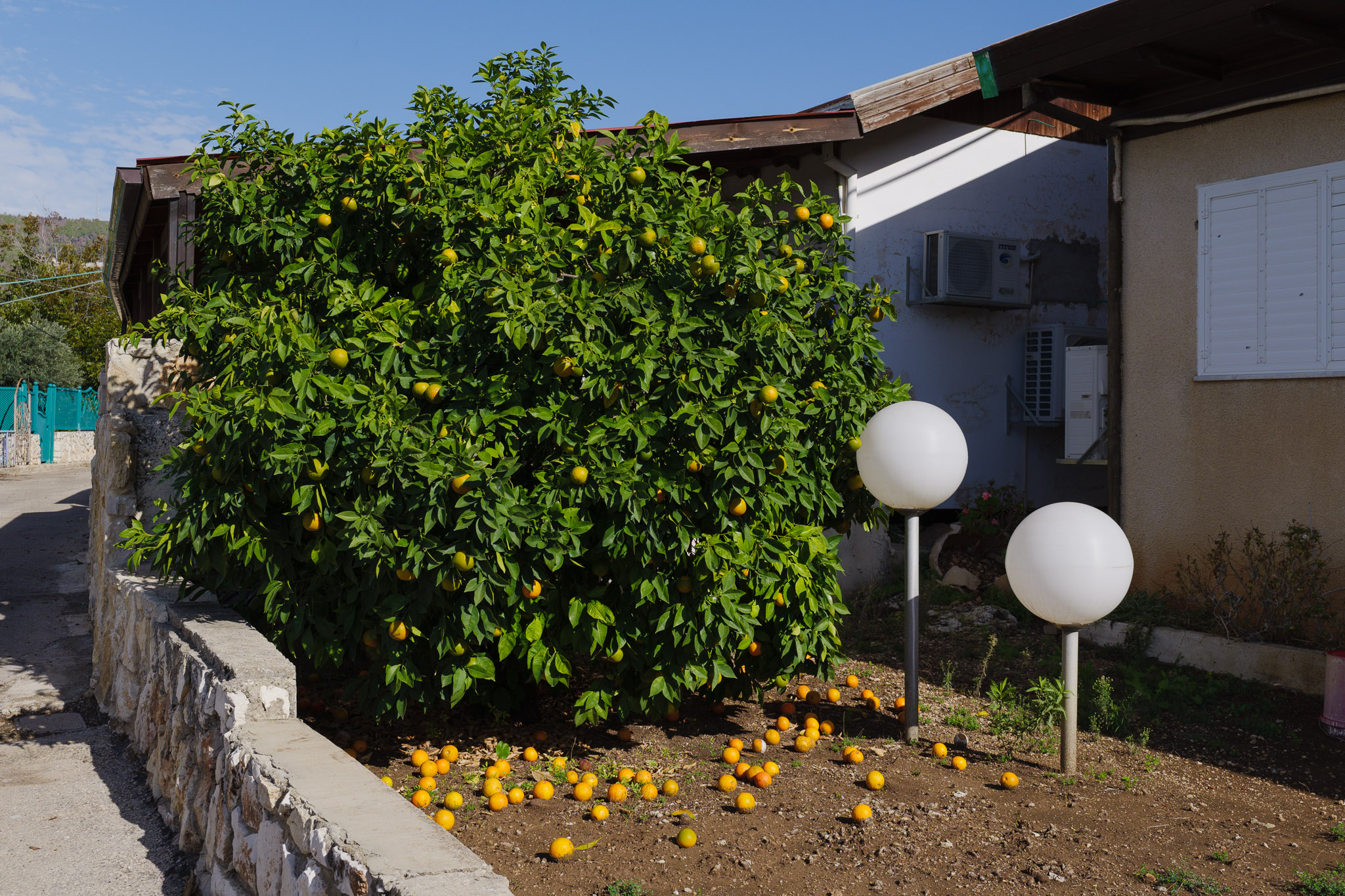
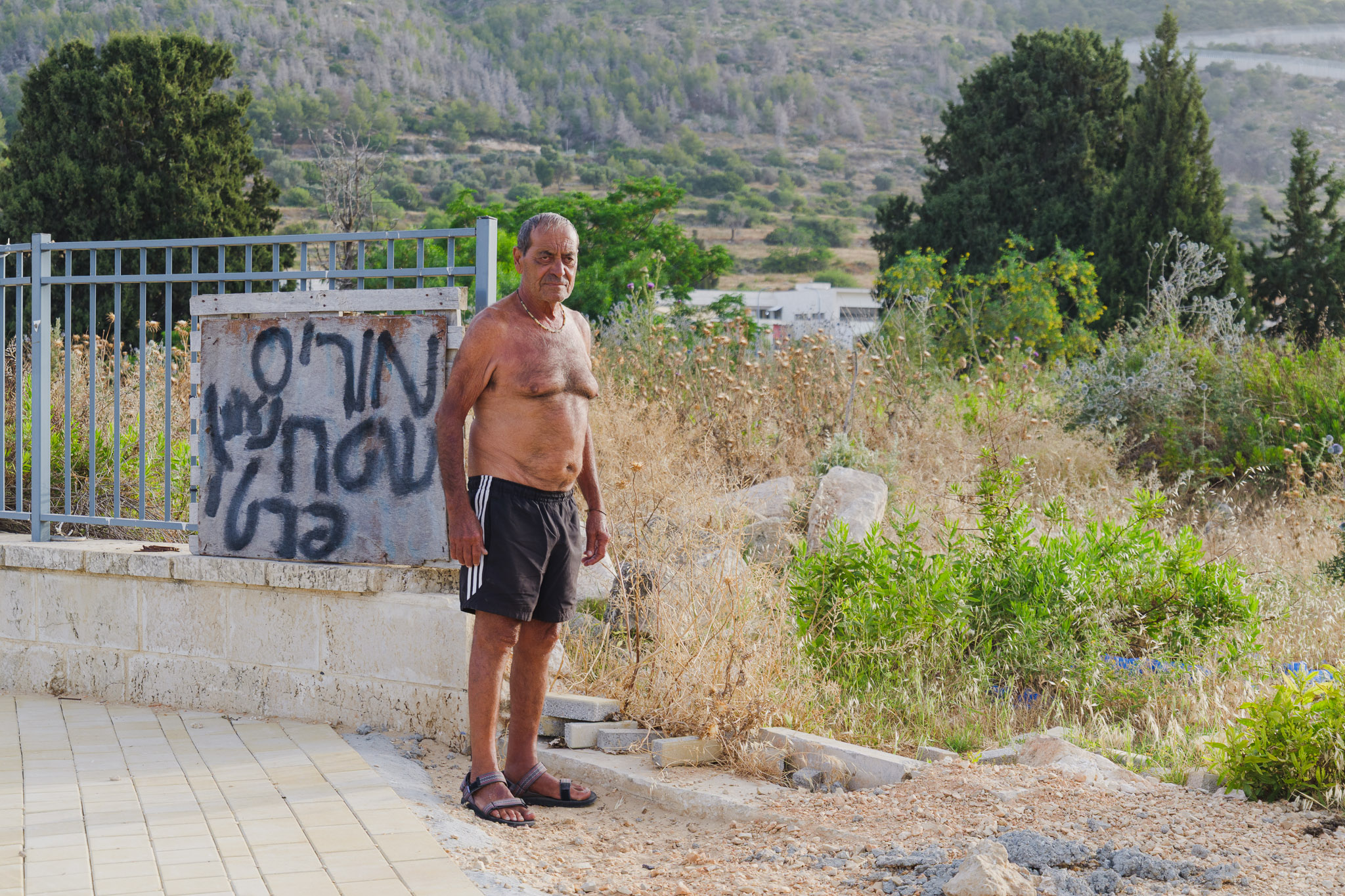
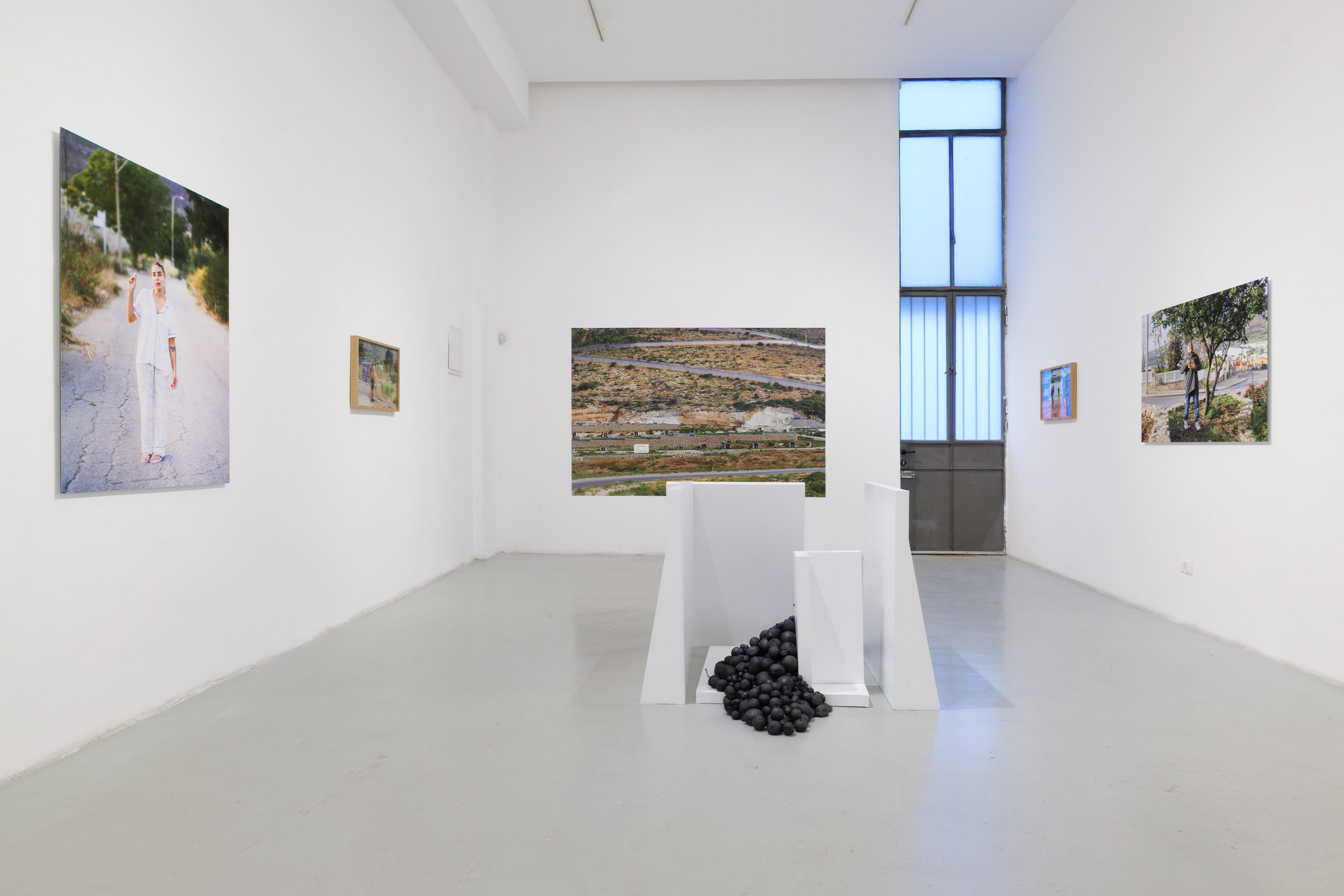
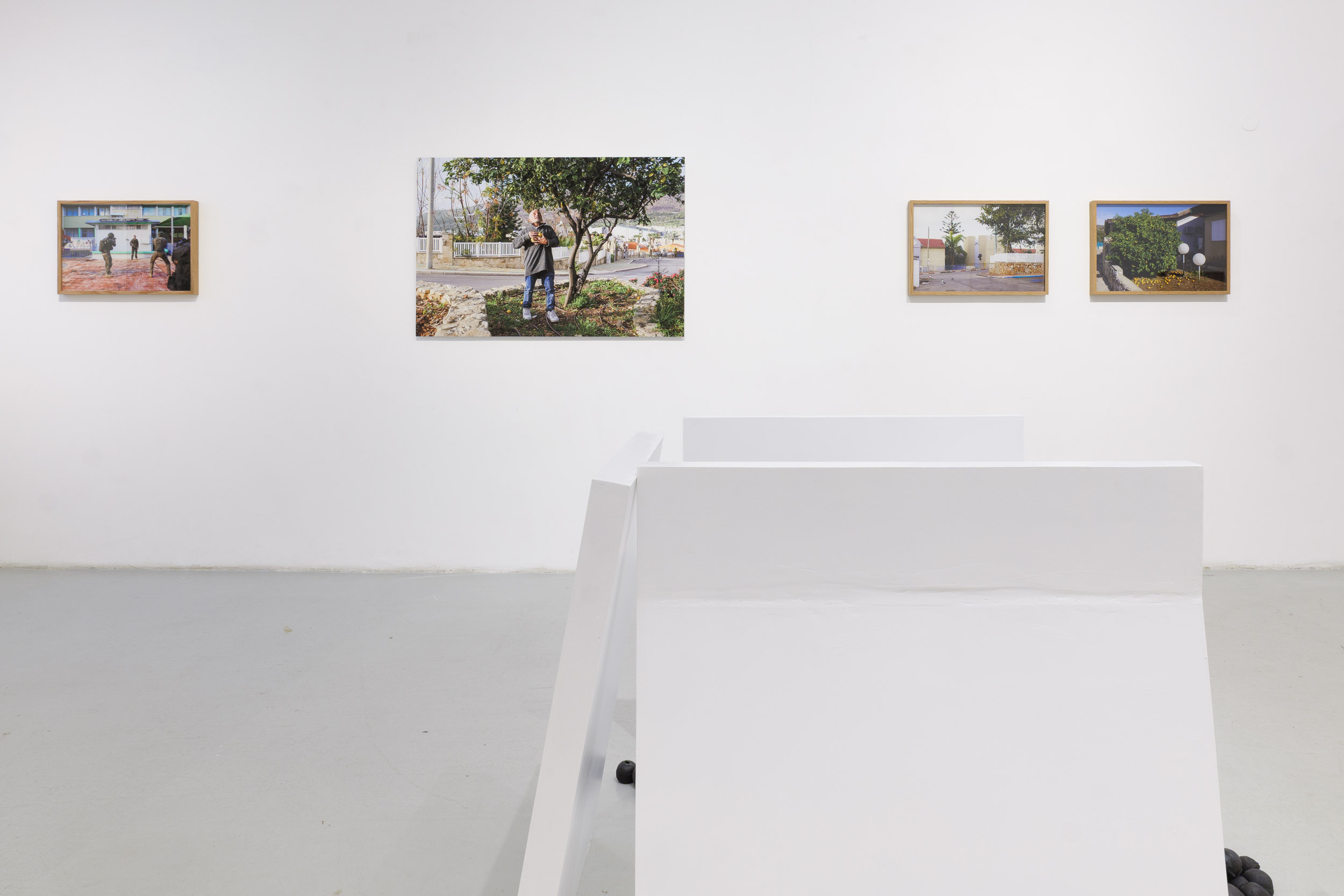
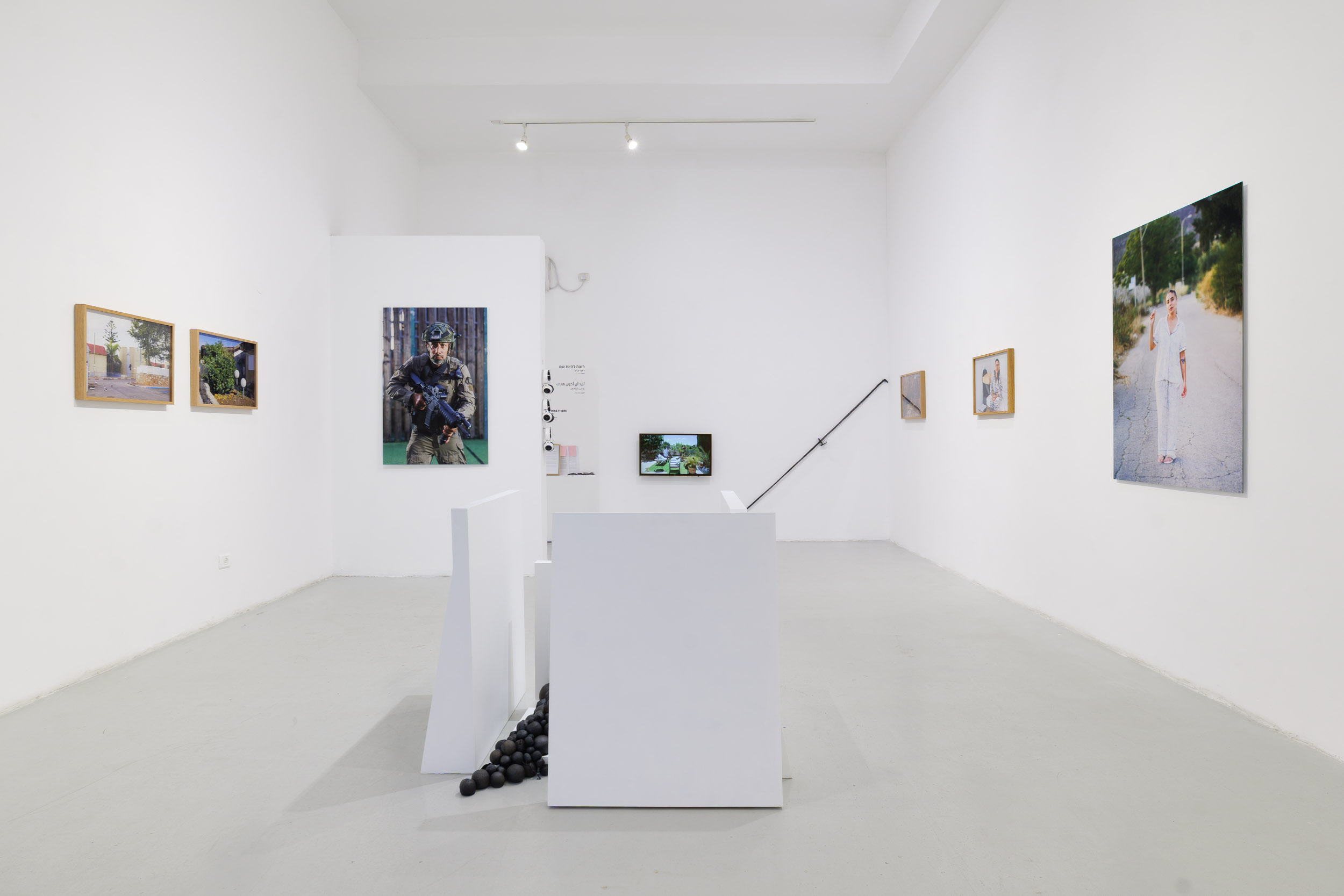
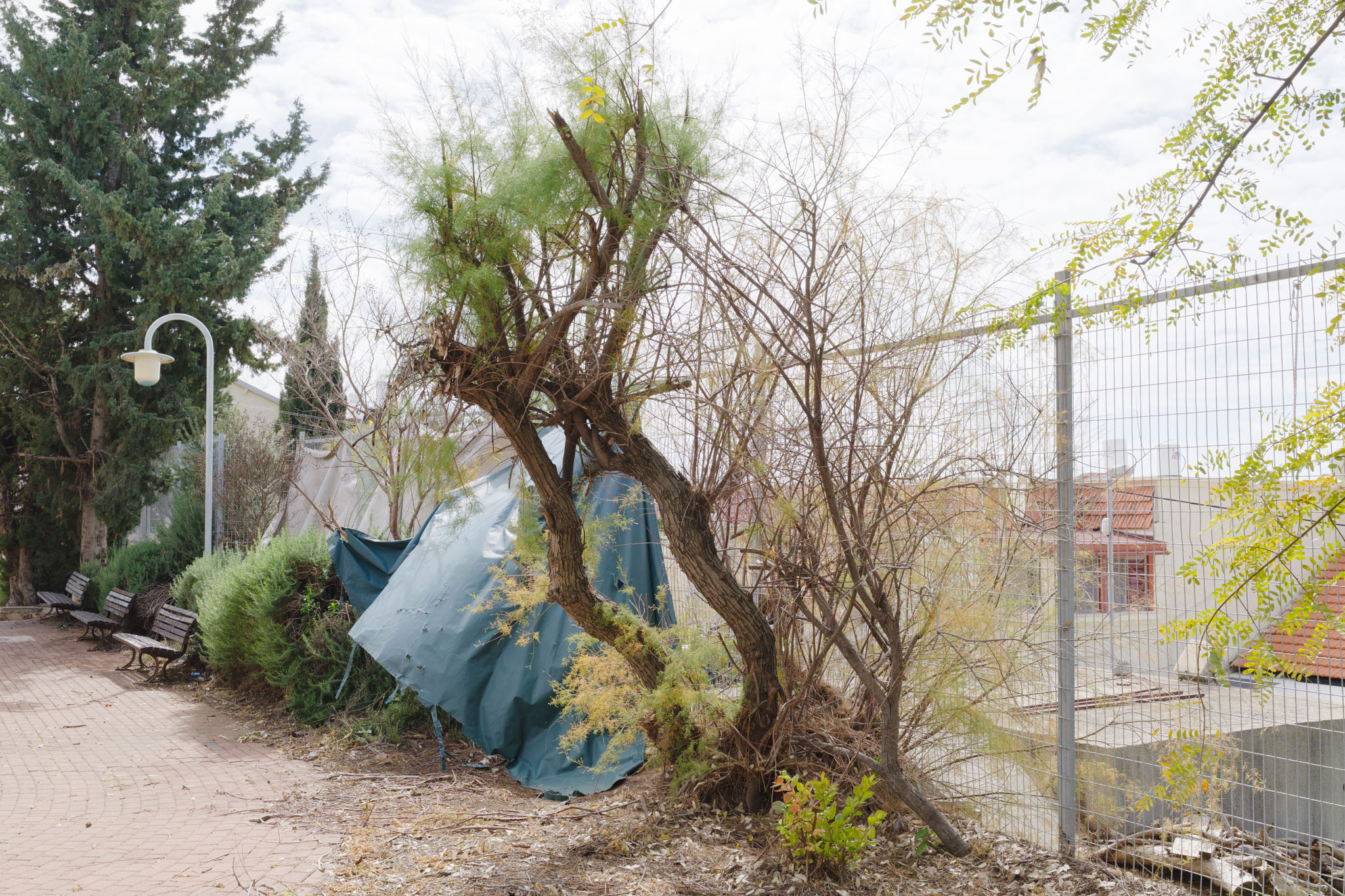
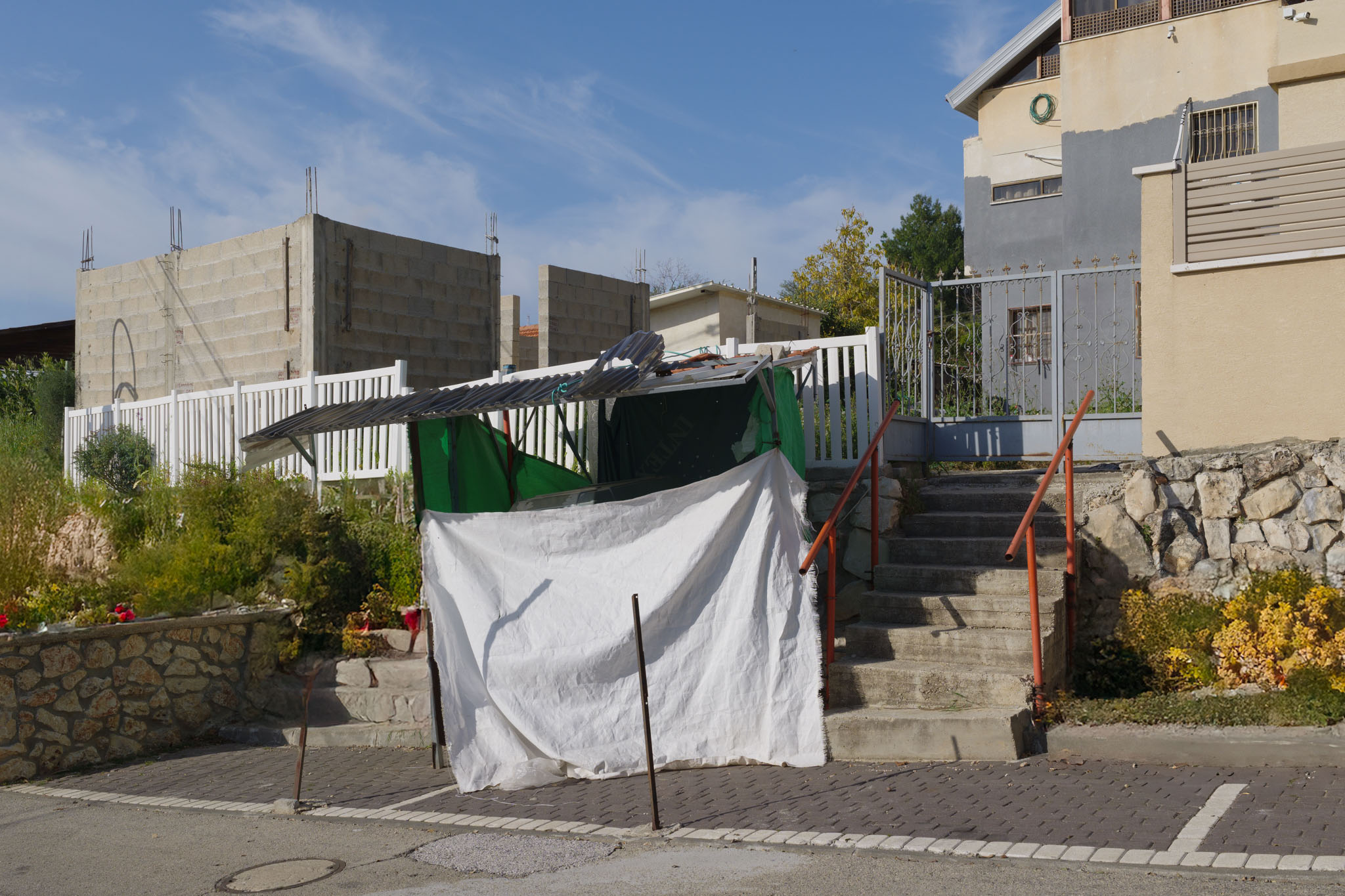
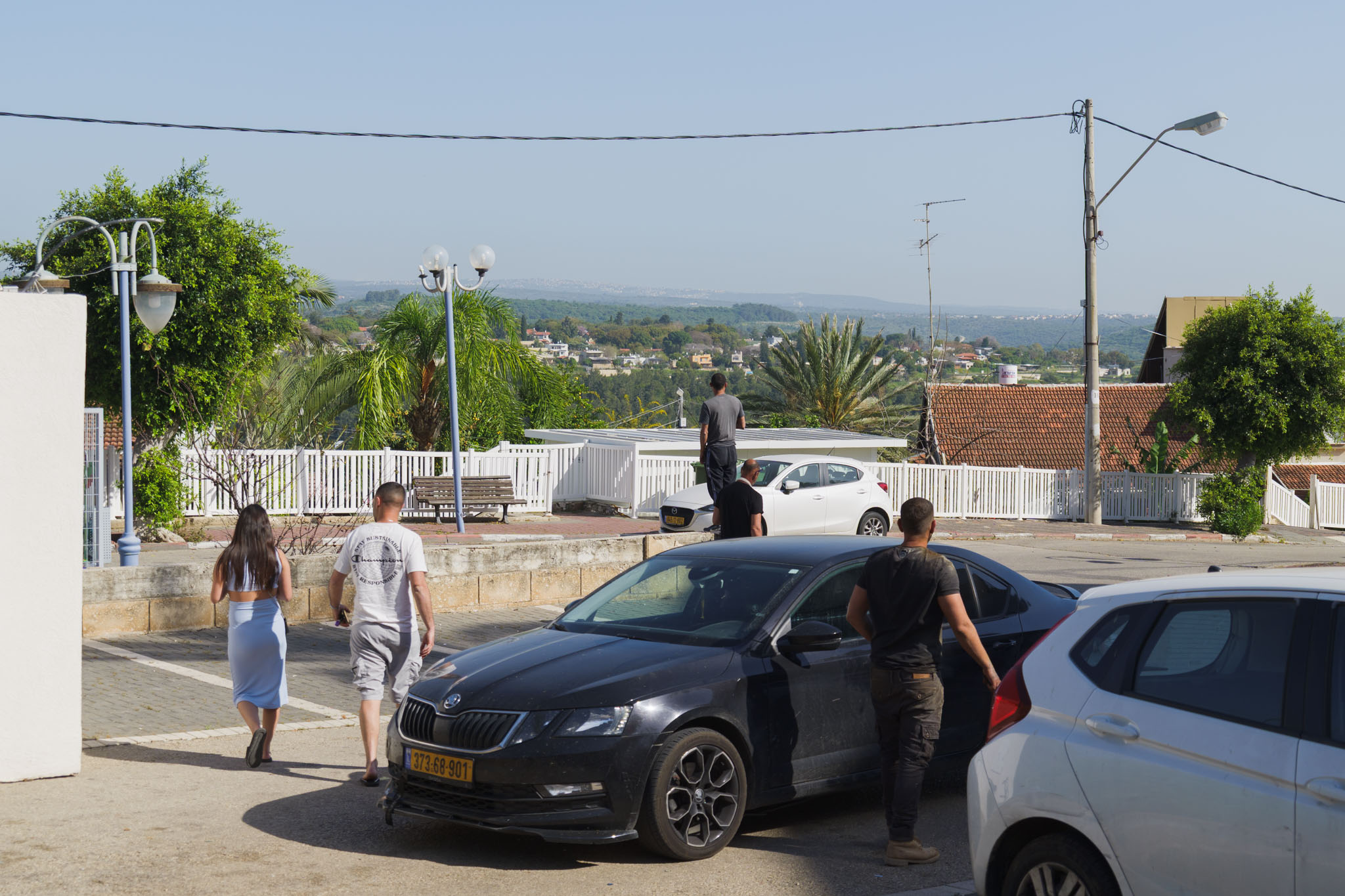
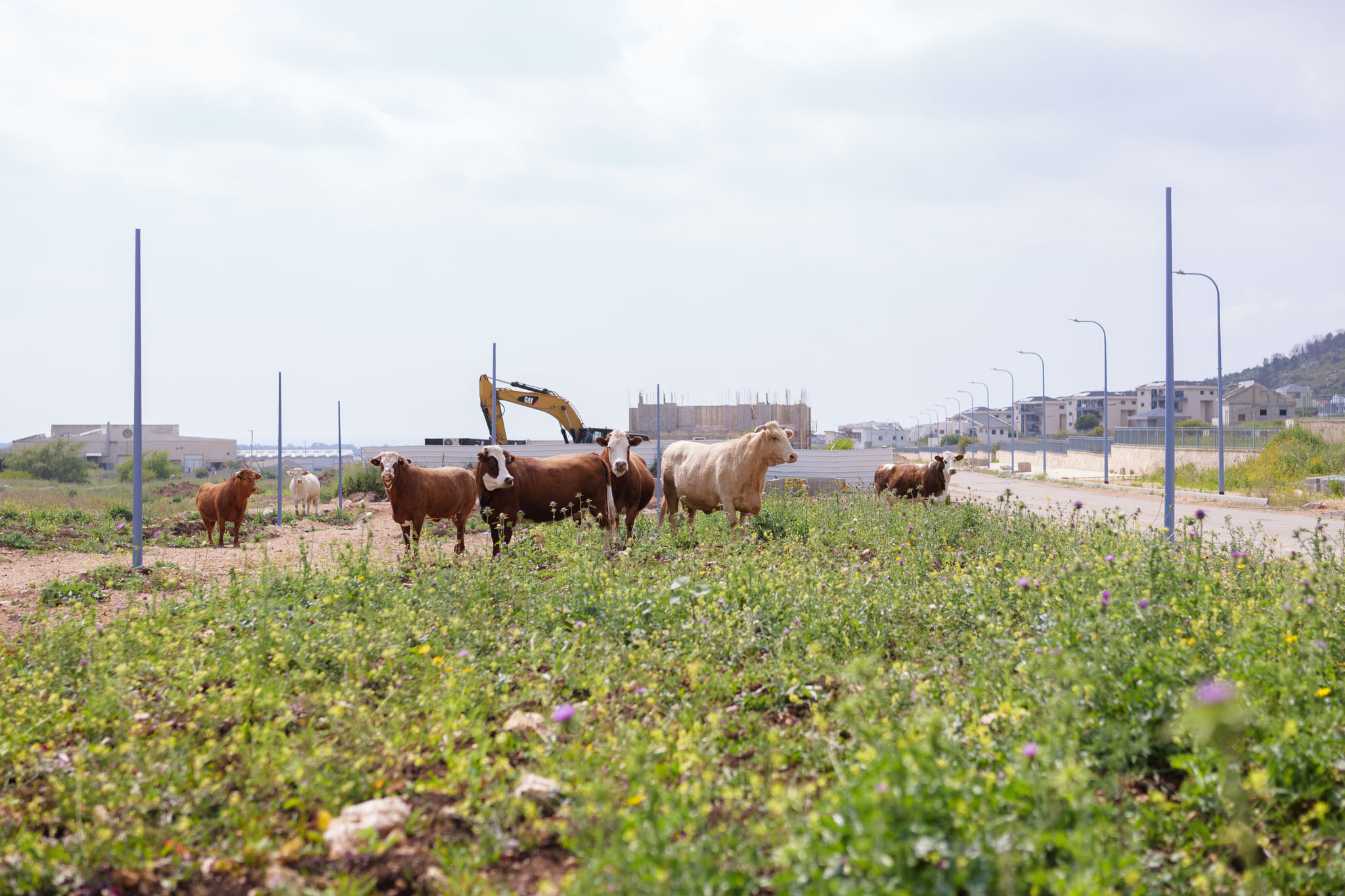
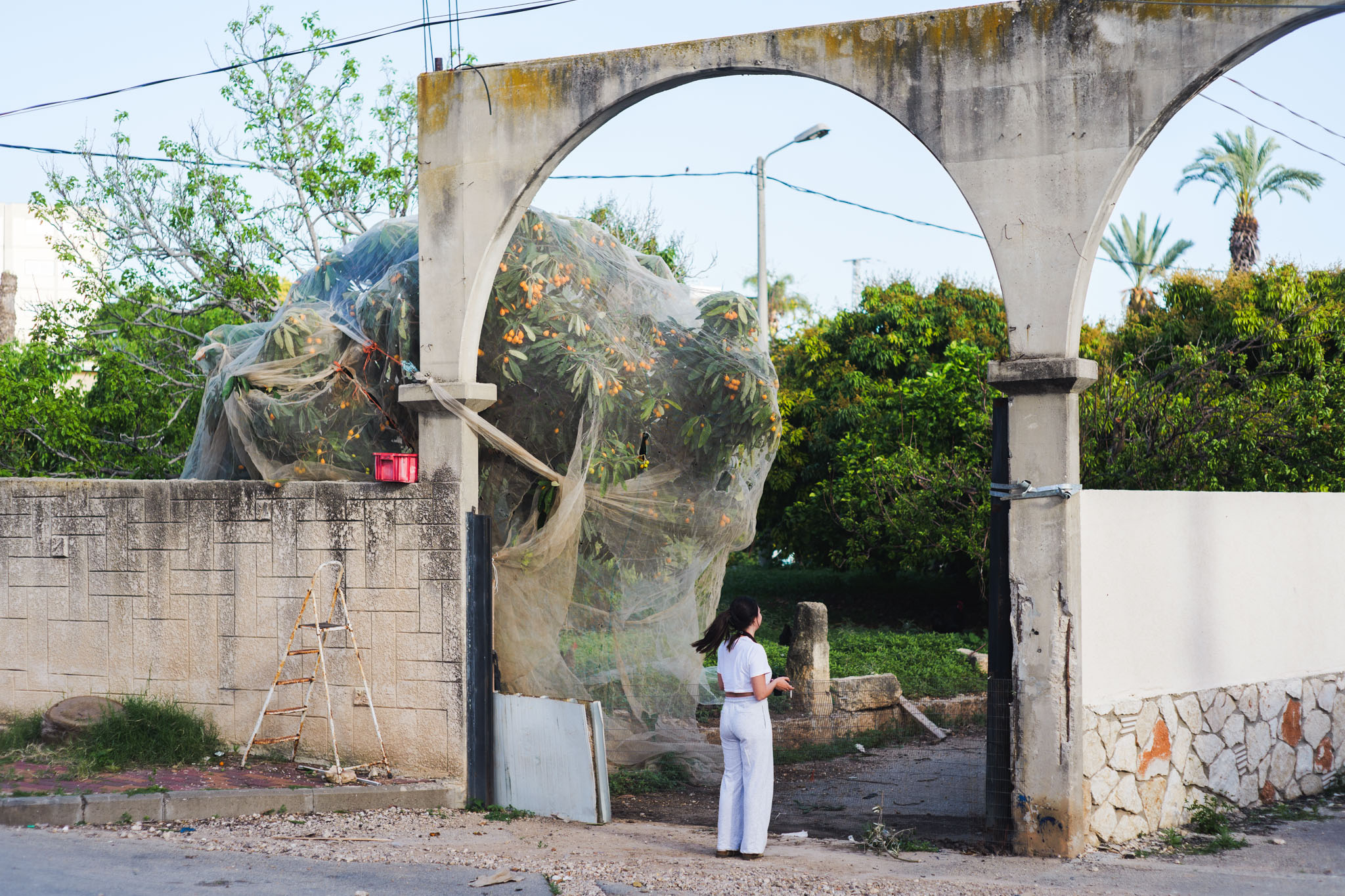
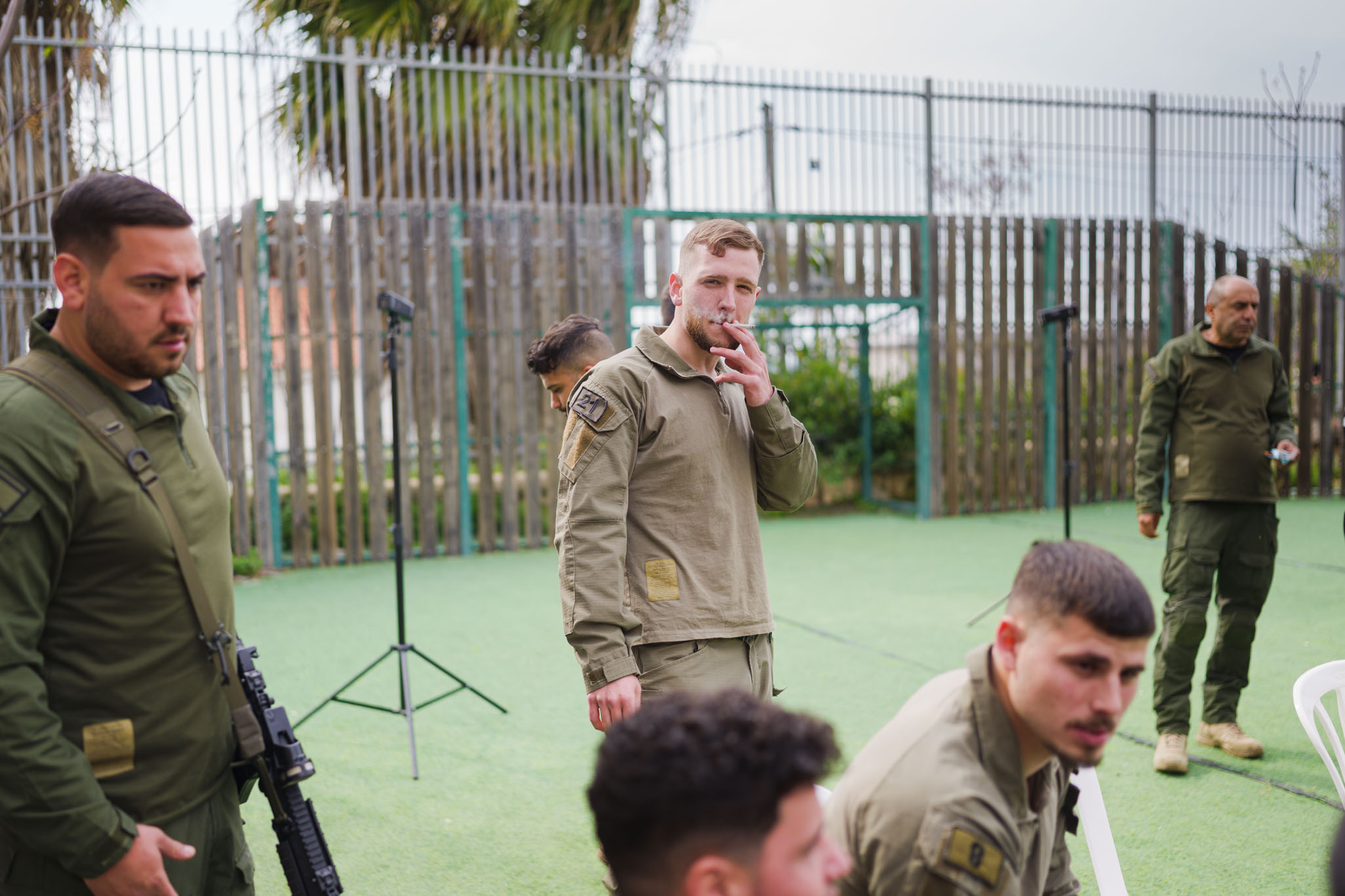
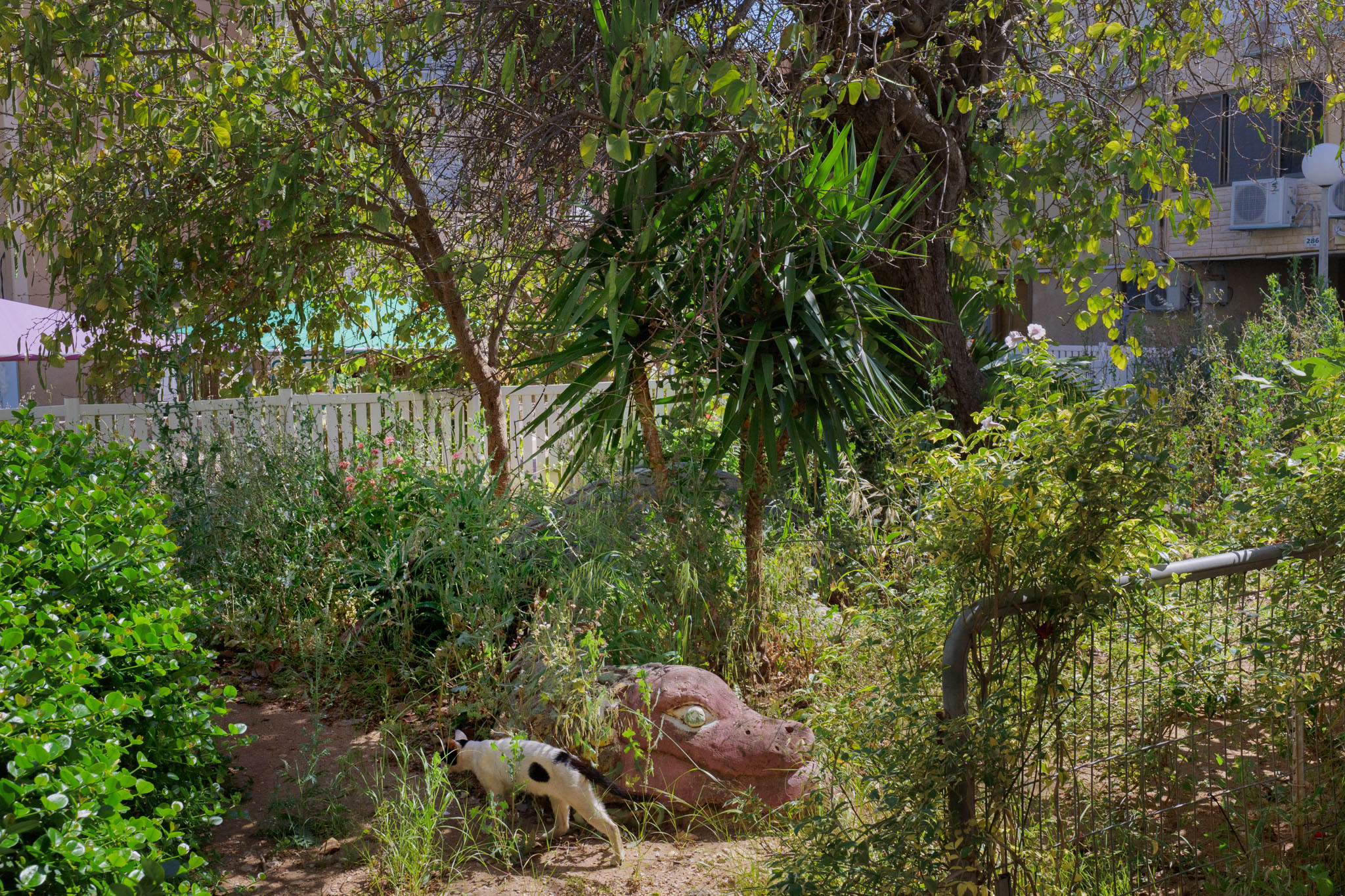
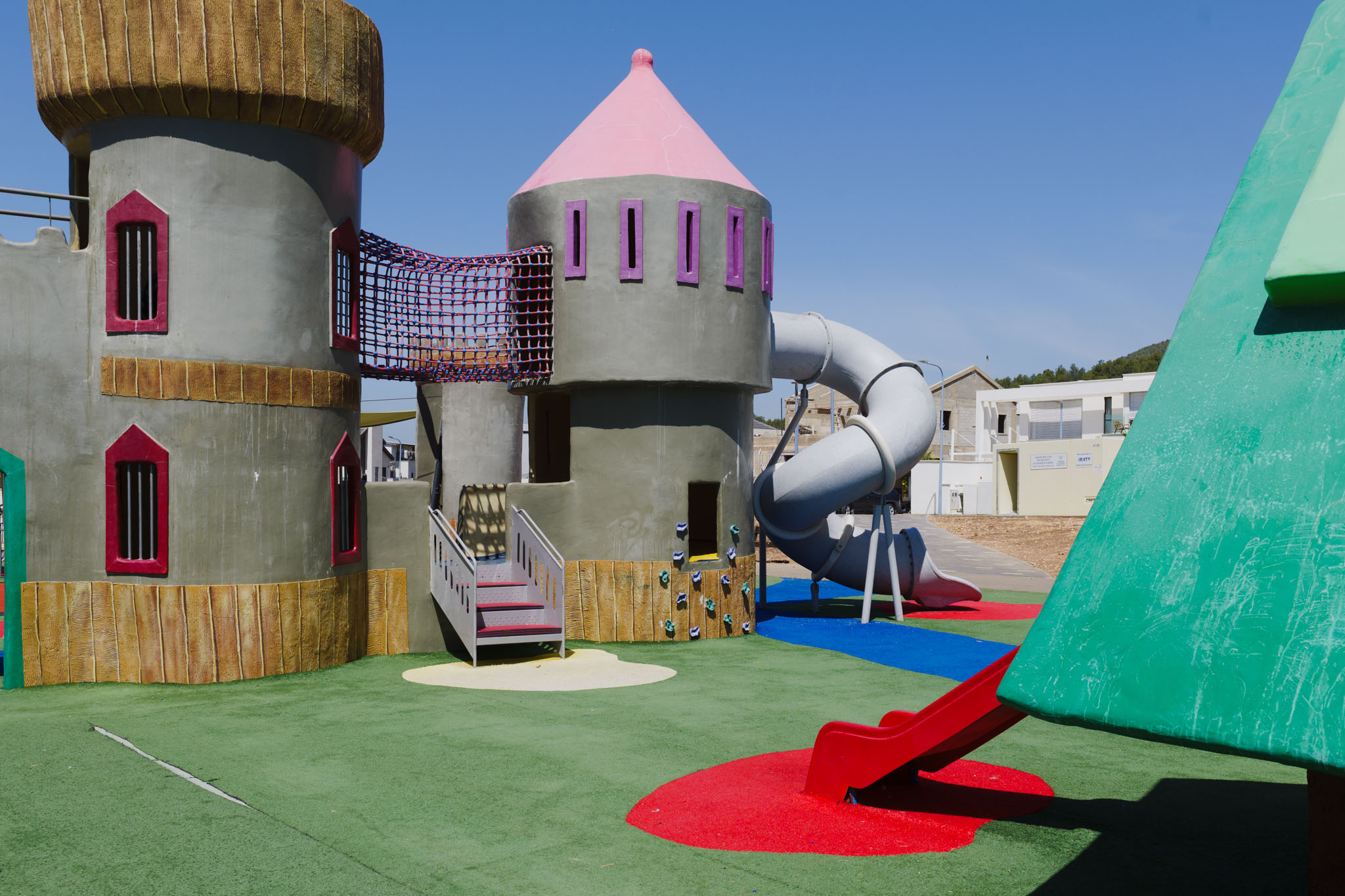
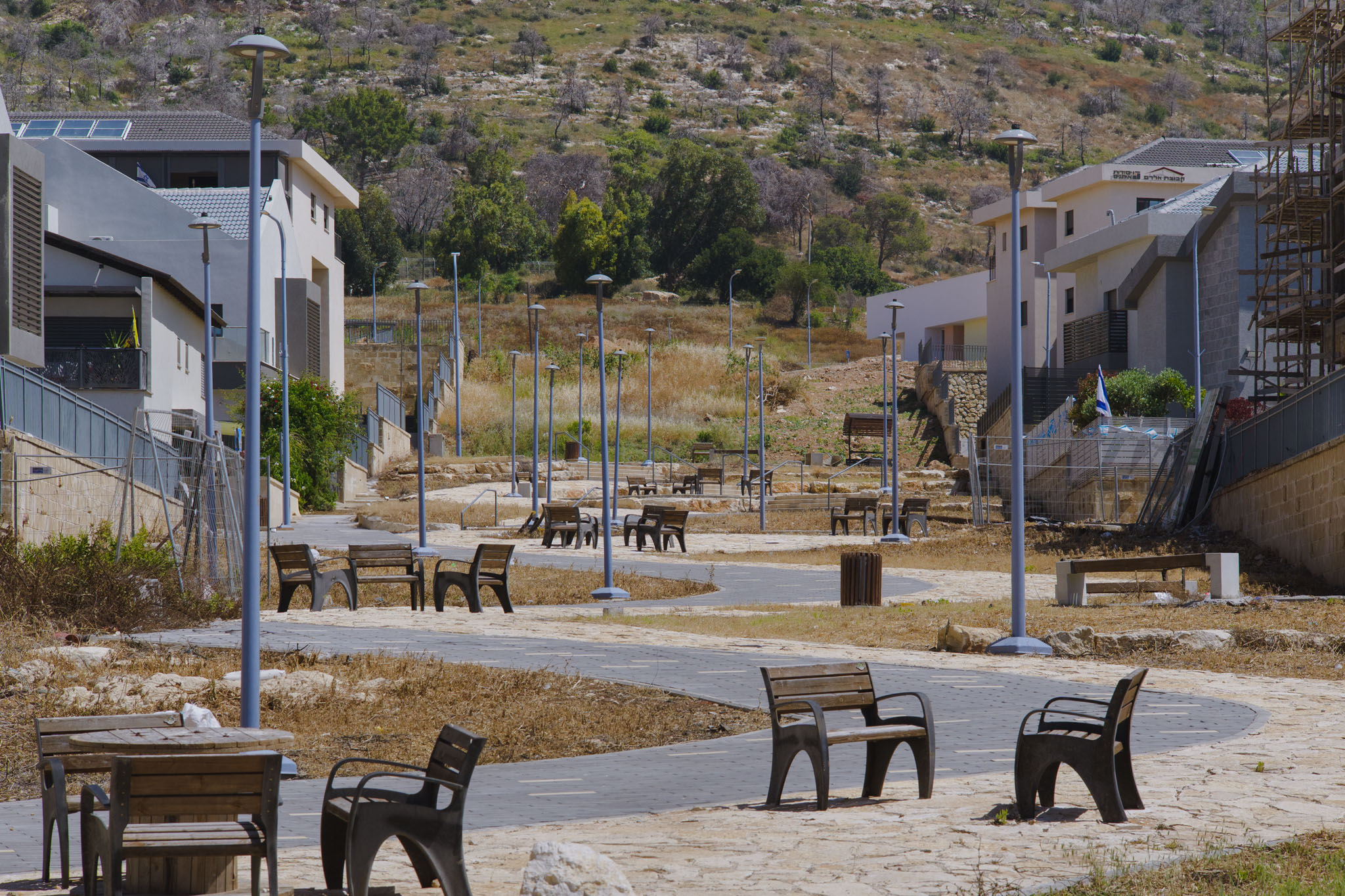
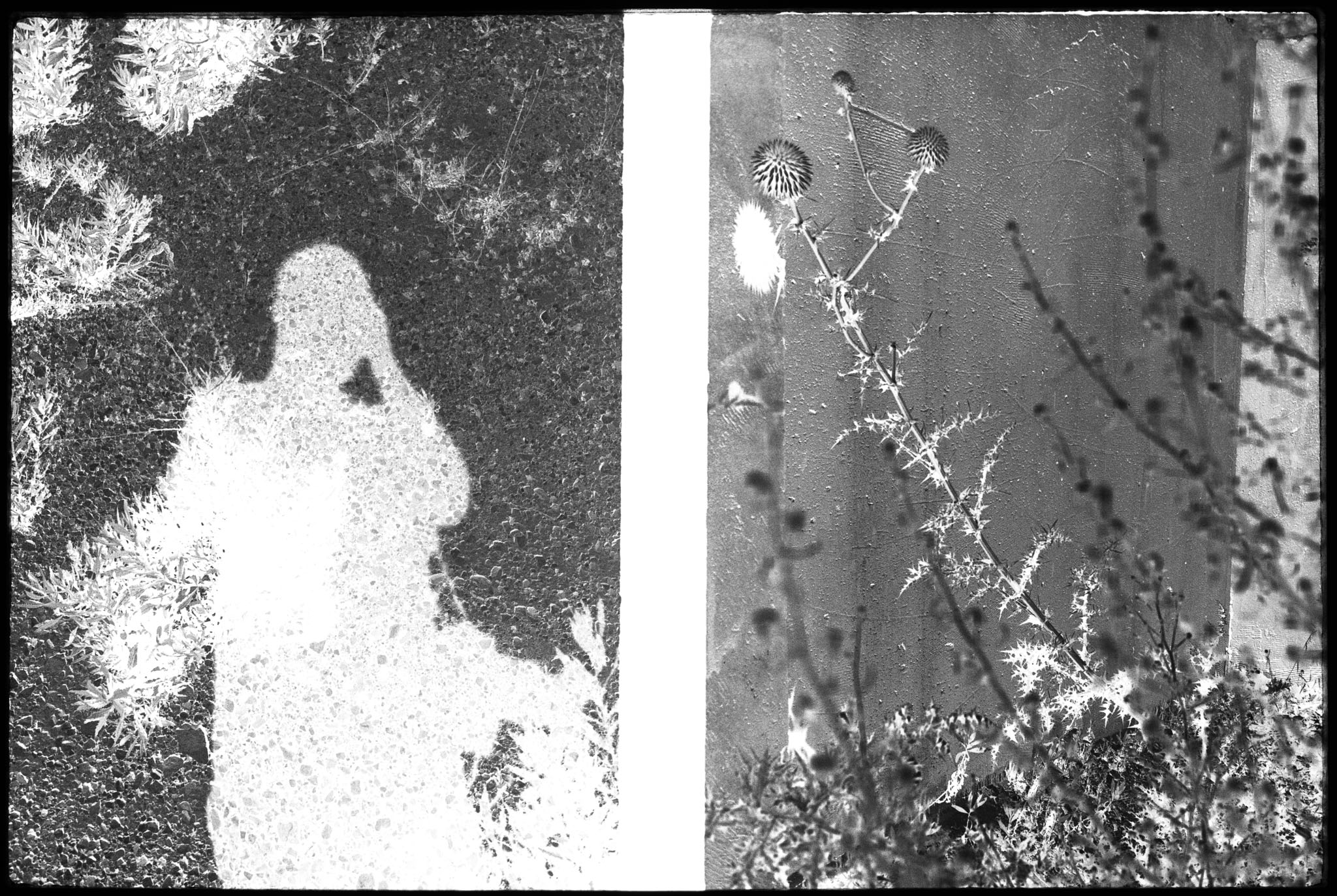
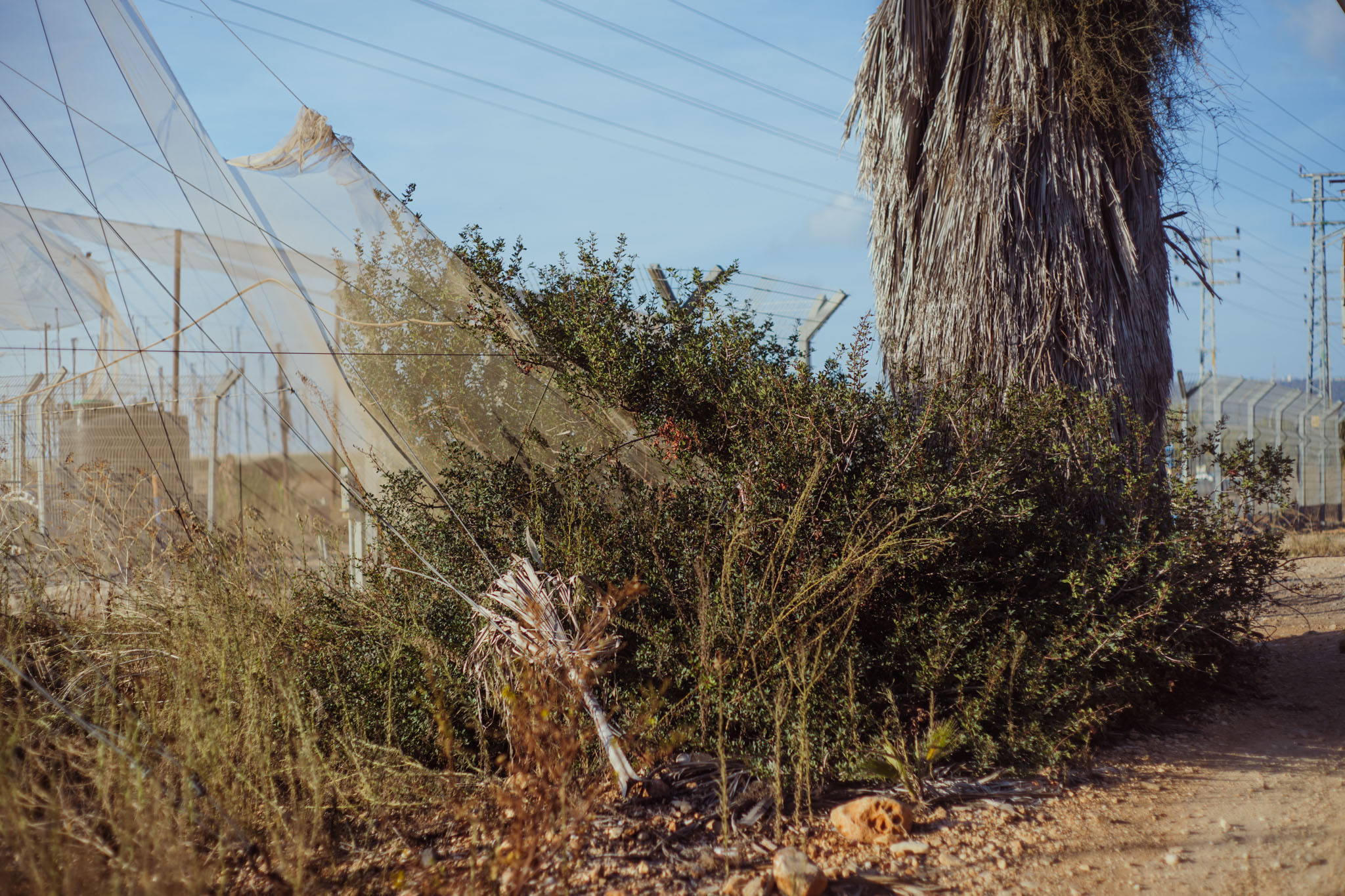
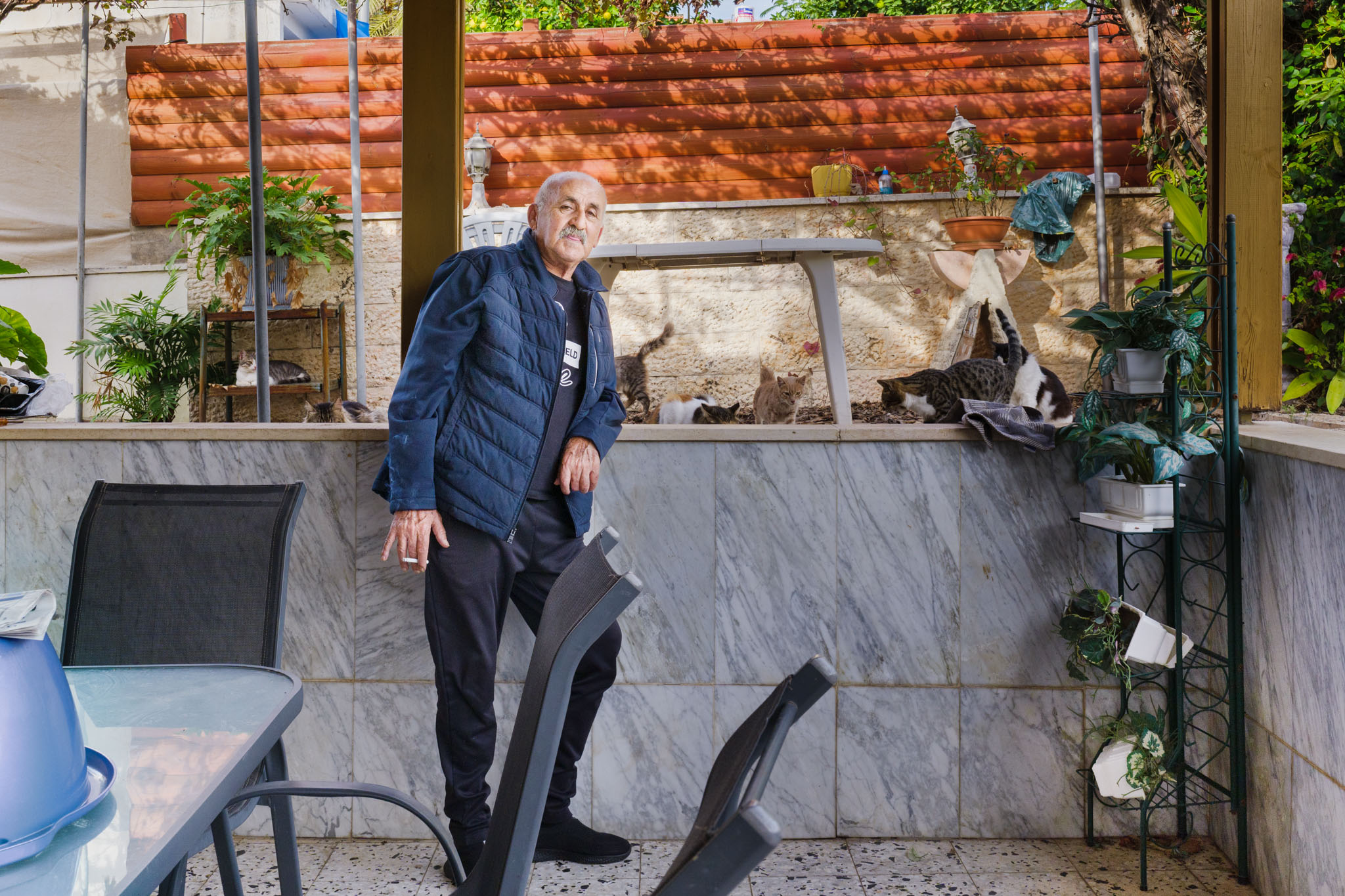
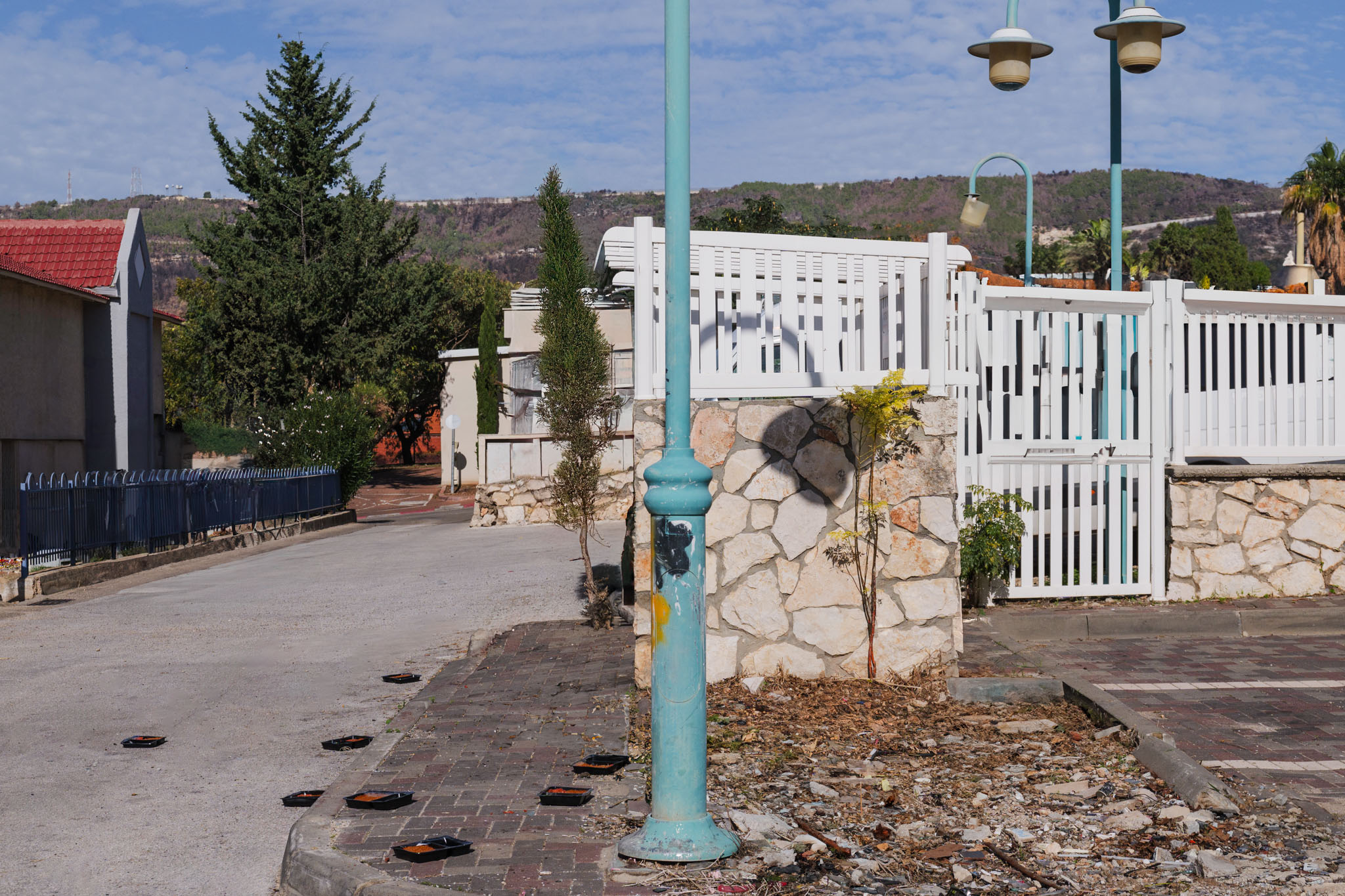
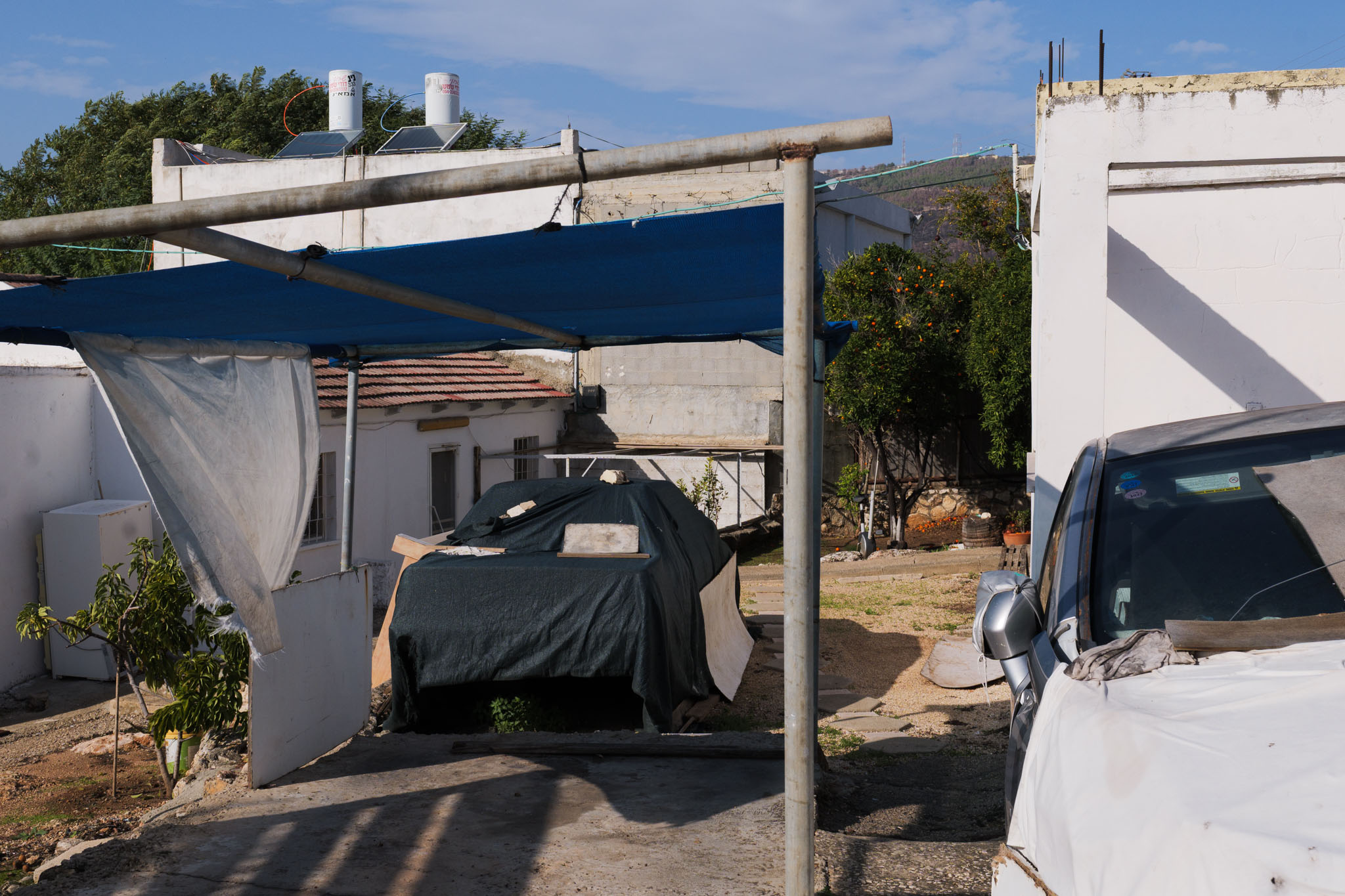
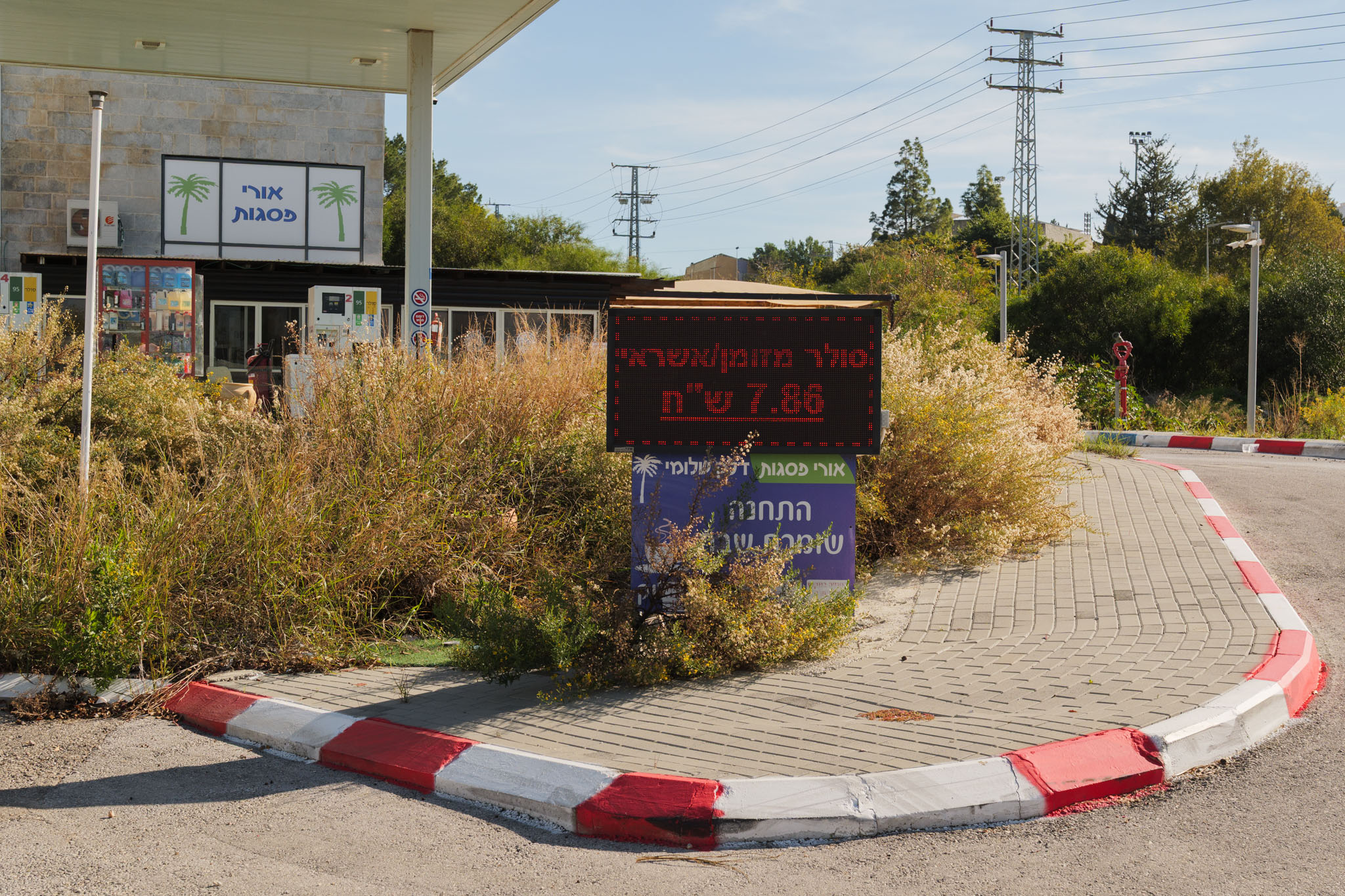
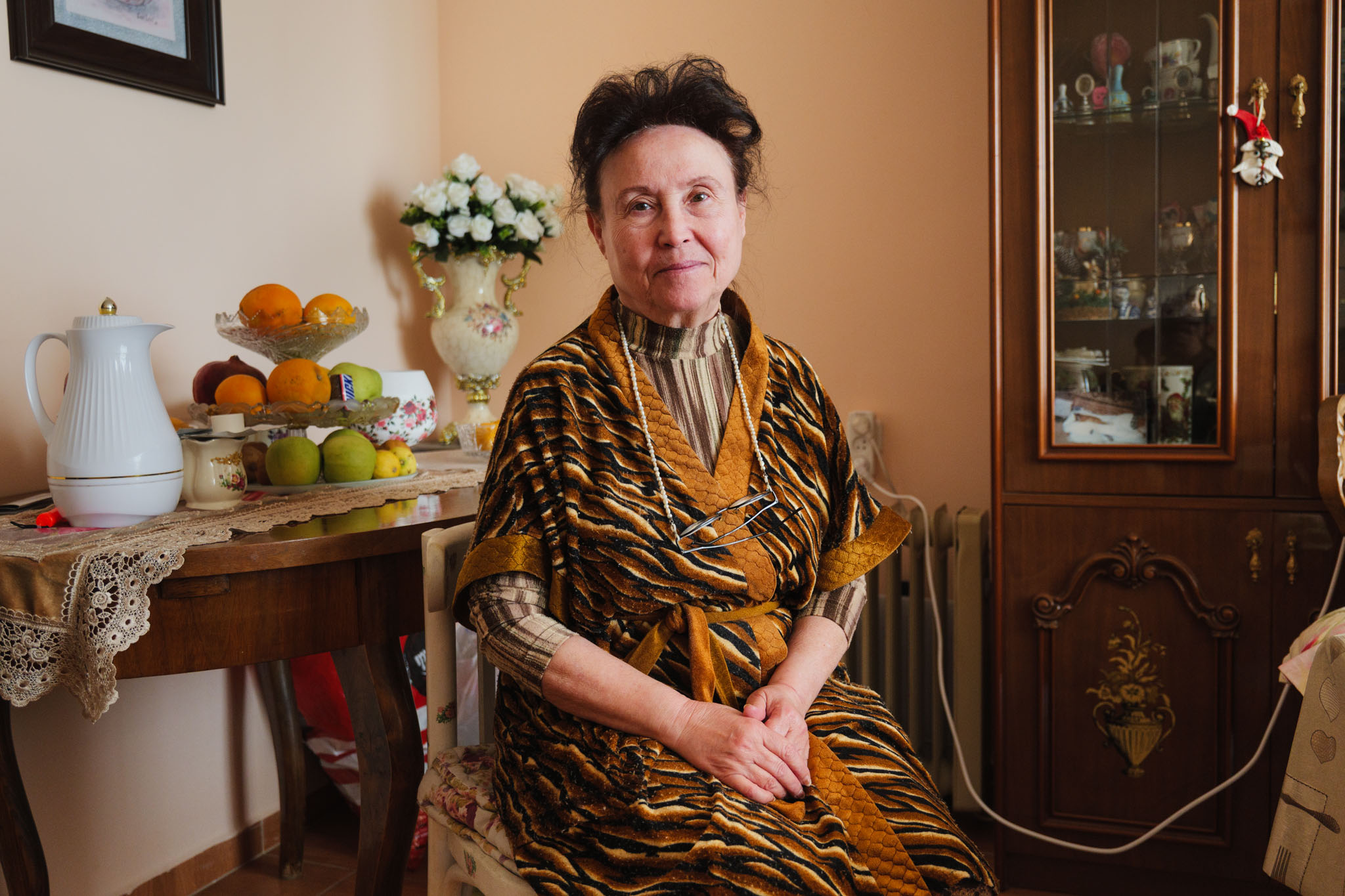
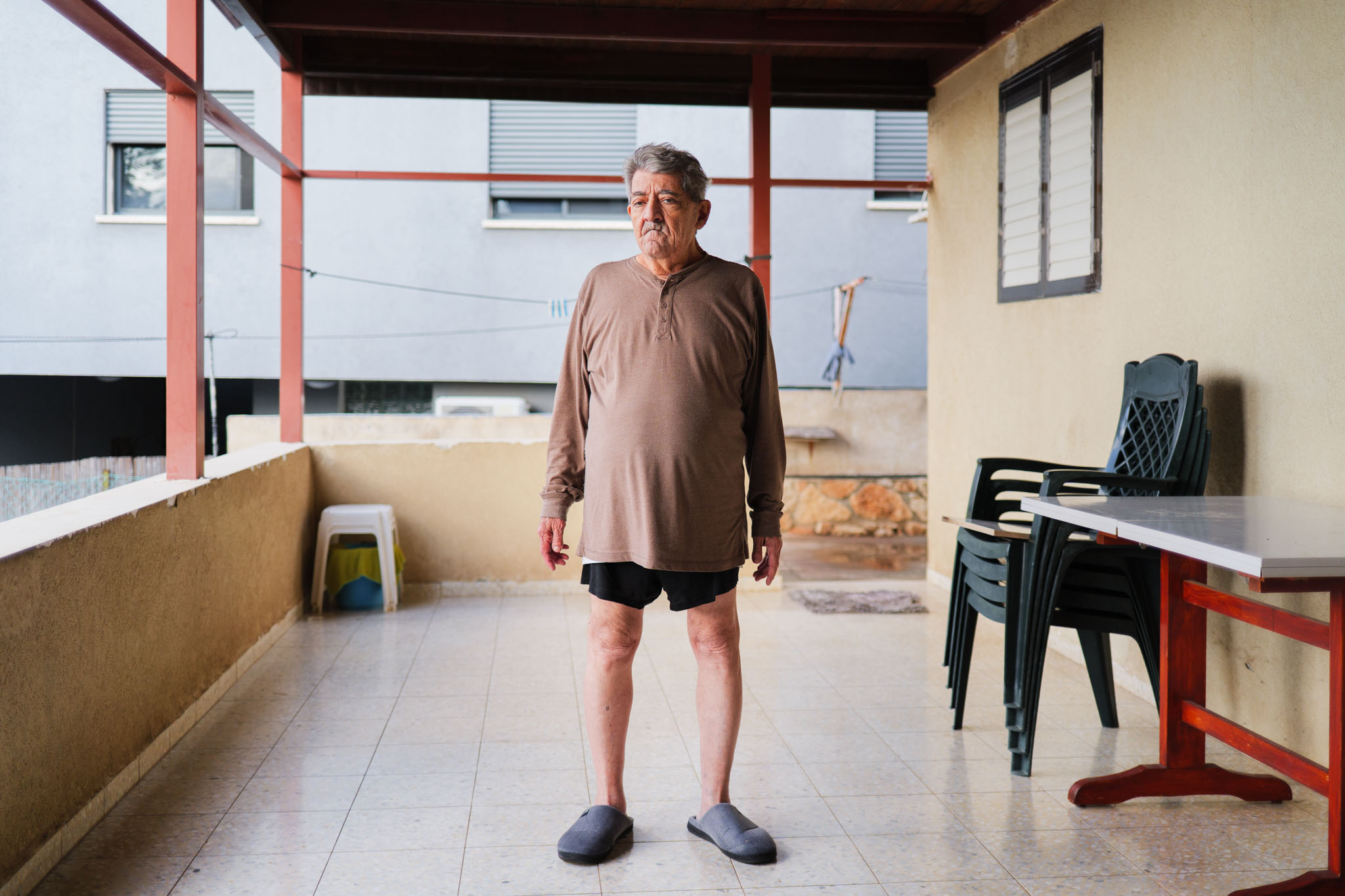
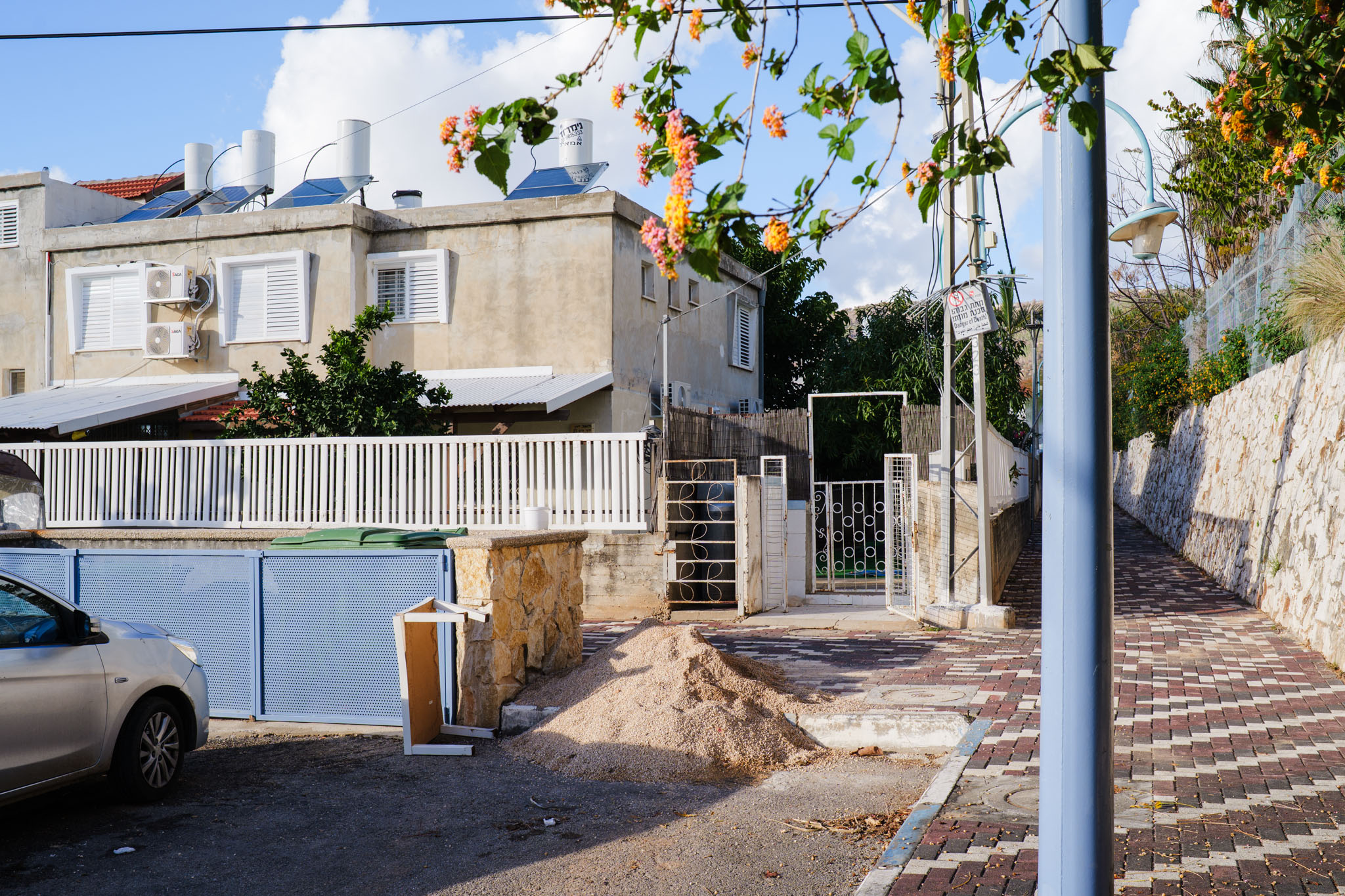
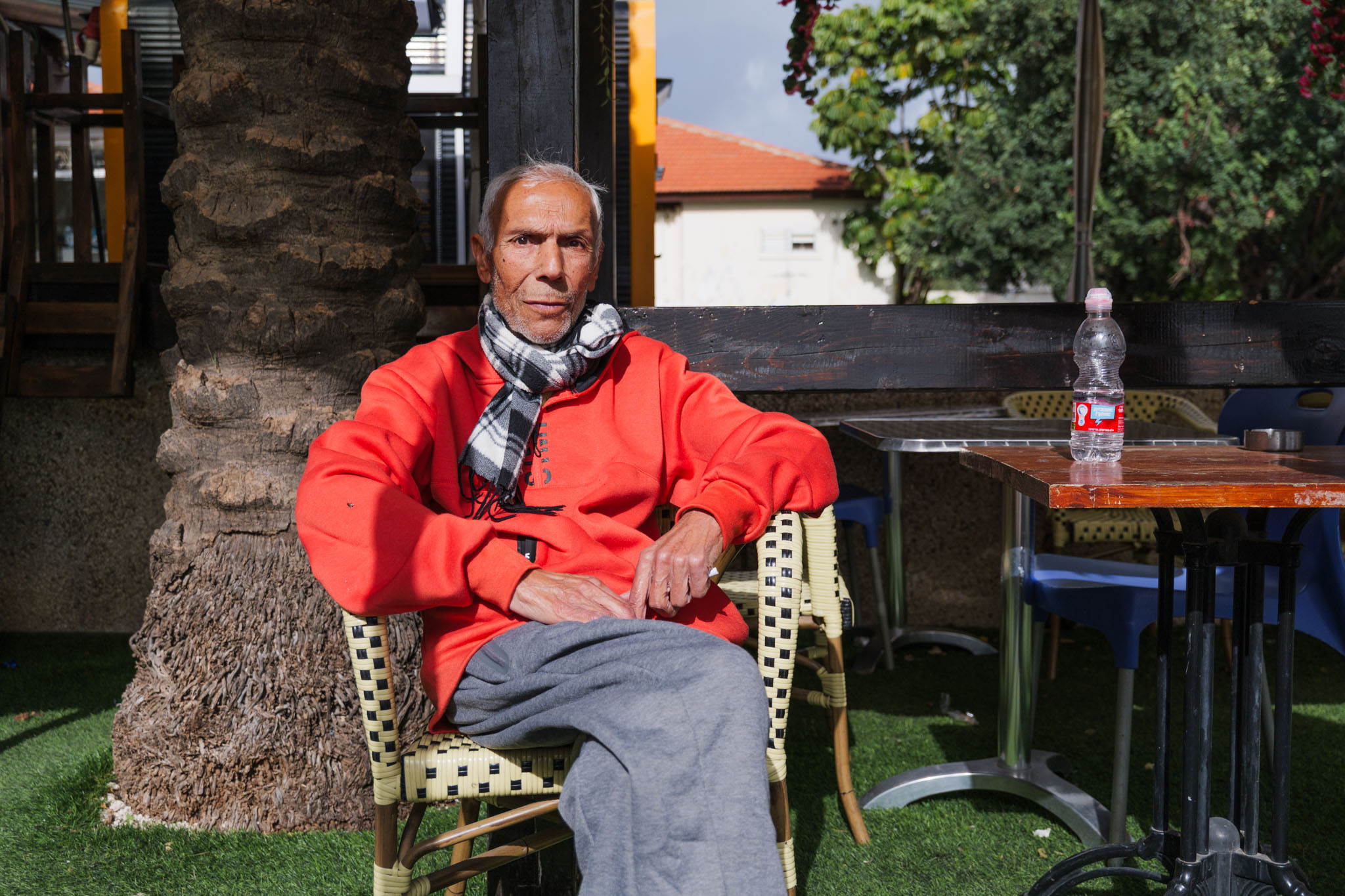
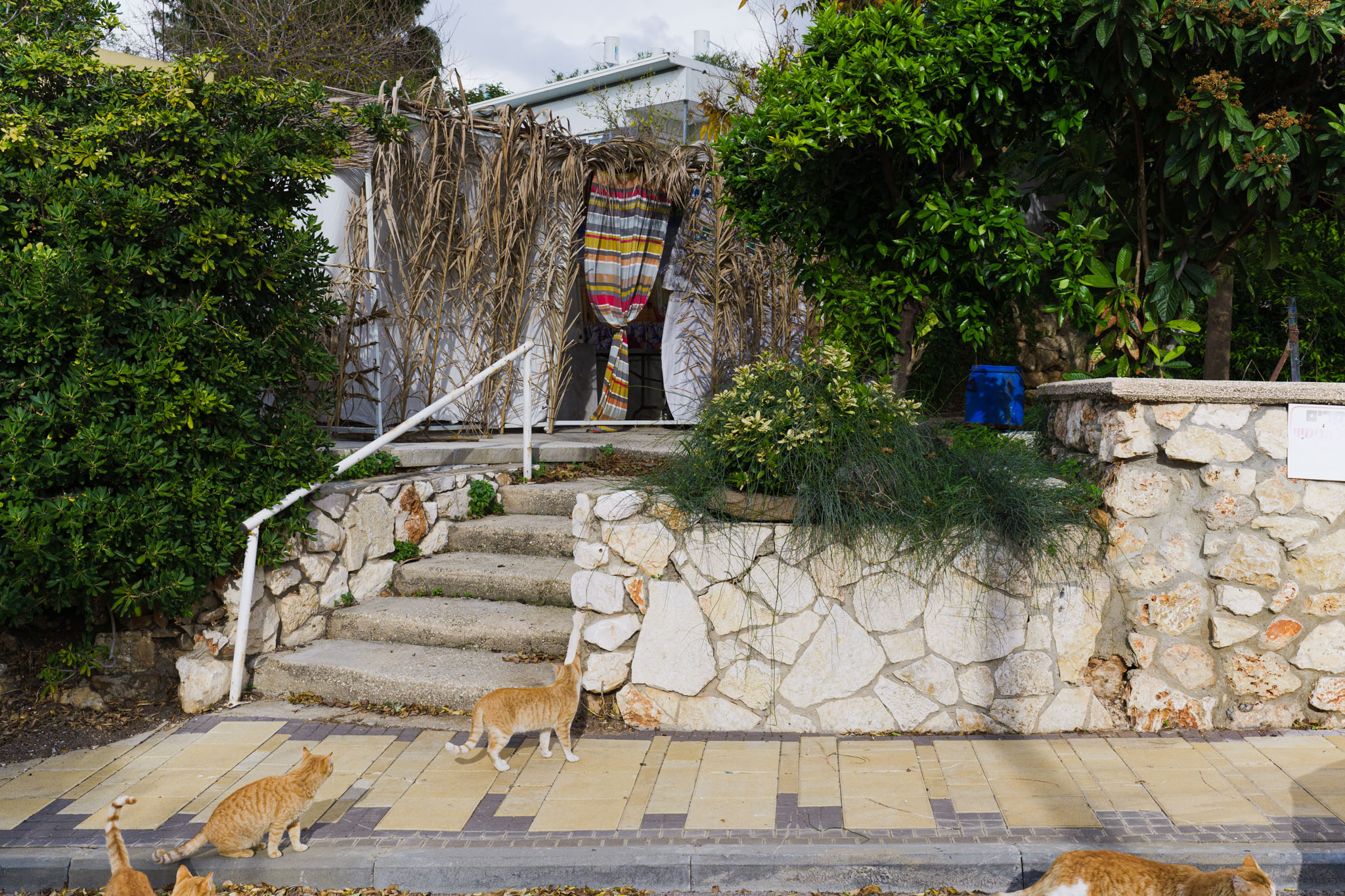
Leaving the relative quiet of Haifa, I began making trips to the north of Israel, initially to deliver food and medicine as a way to feel useful during the existential weight of the conflict. While incidentally passing by Shlomi, I found a small, stubborn core of residents who refused to leave. These were people like Avi Revivo, whom I met while he was gathering lemons from public trees so they wouldn’t rot, or Yuval Ziv Danino, who returned as an essential worker and became a photography student and a field assistant. Together, we navigated the quiet streets, watering the gardens of those who had fled and documenting the civilian security teams. These encounters turned into a long-term relationship with a town that was technically empty but still very much alive through the care of those remaining.
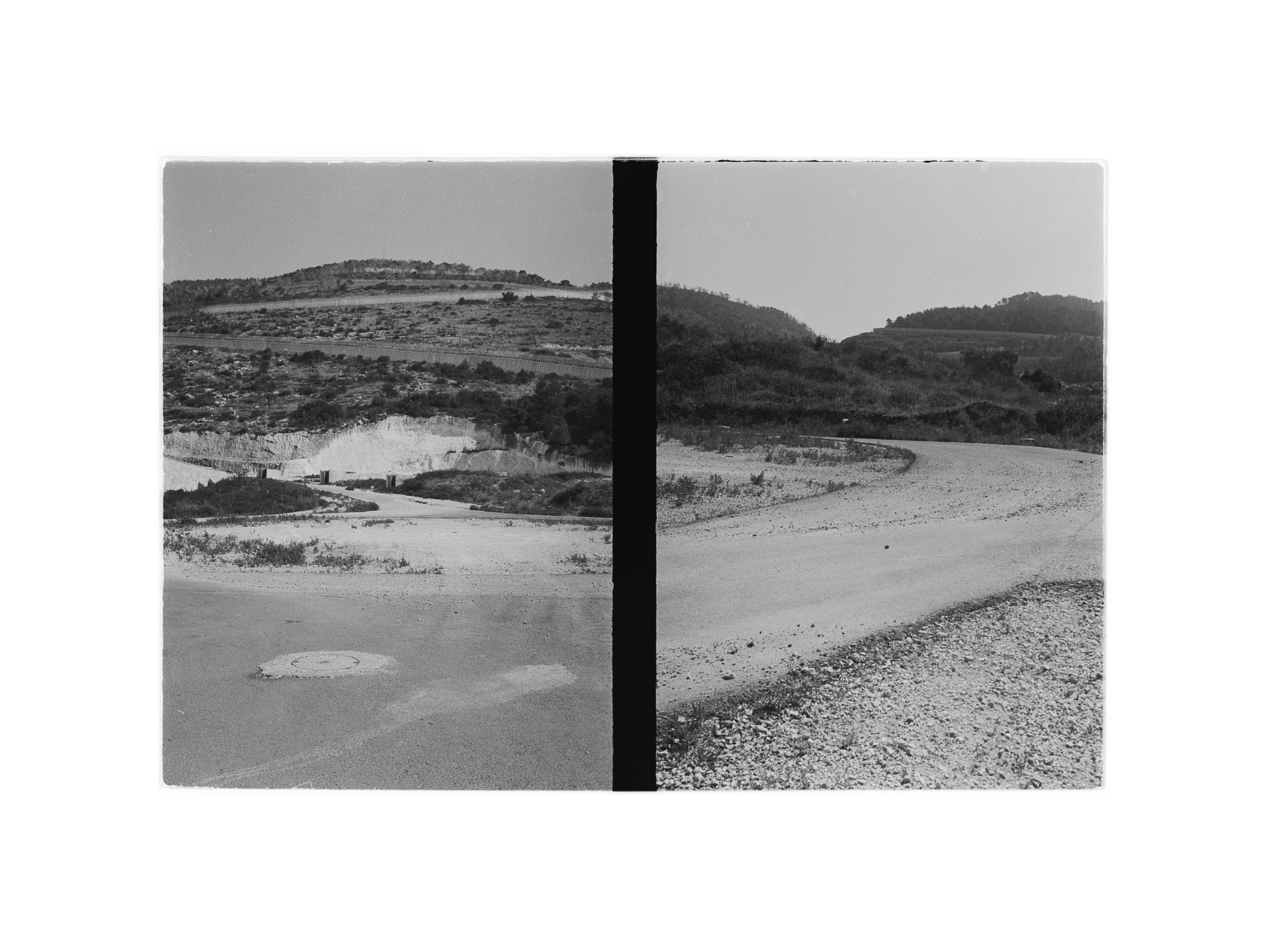
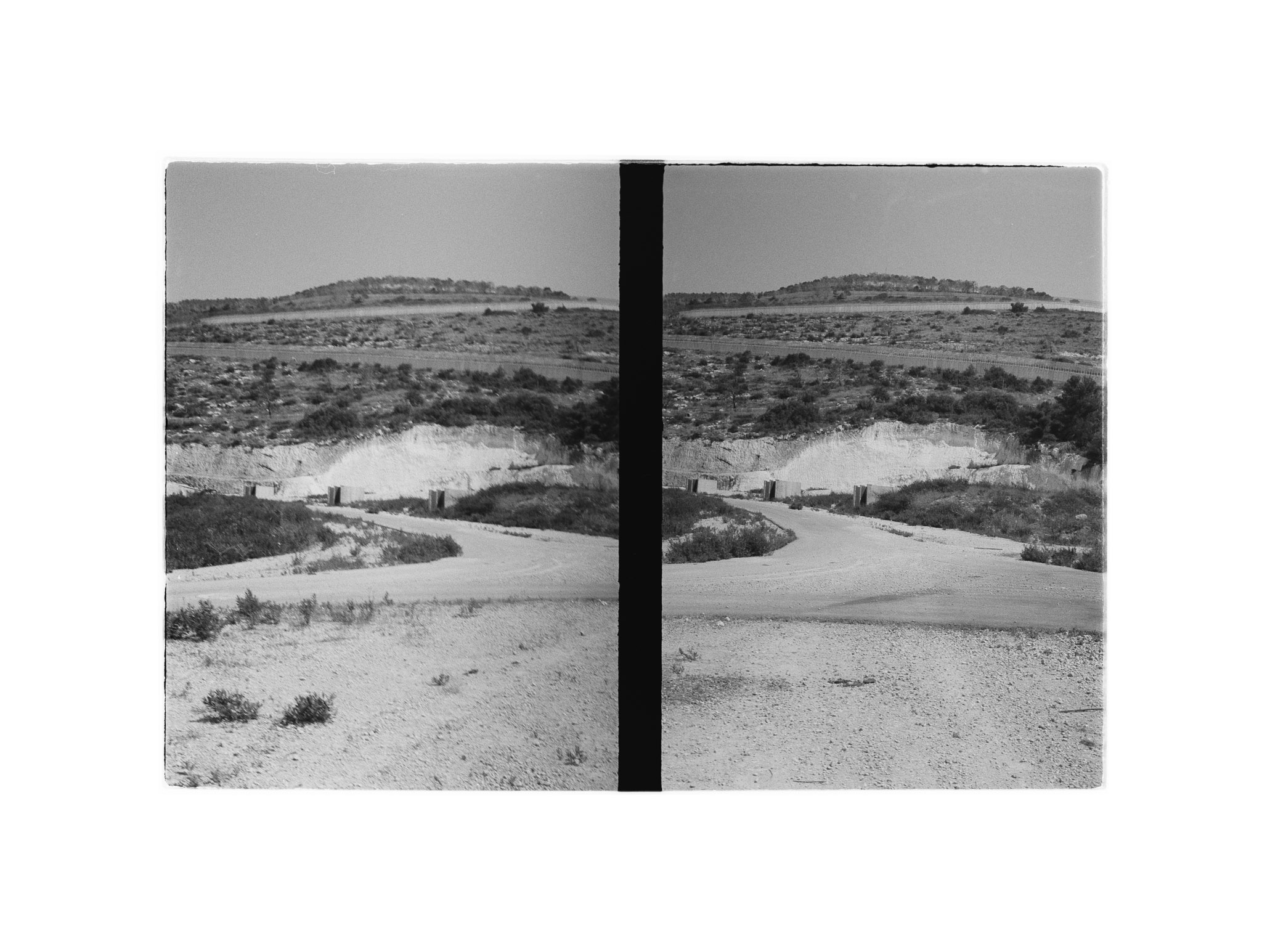
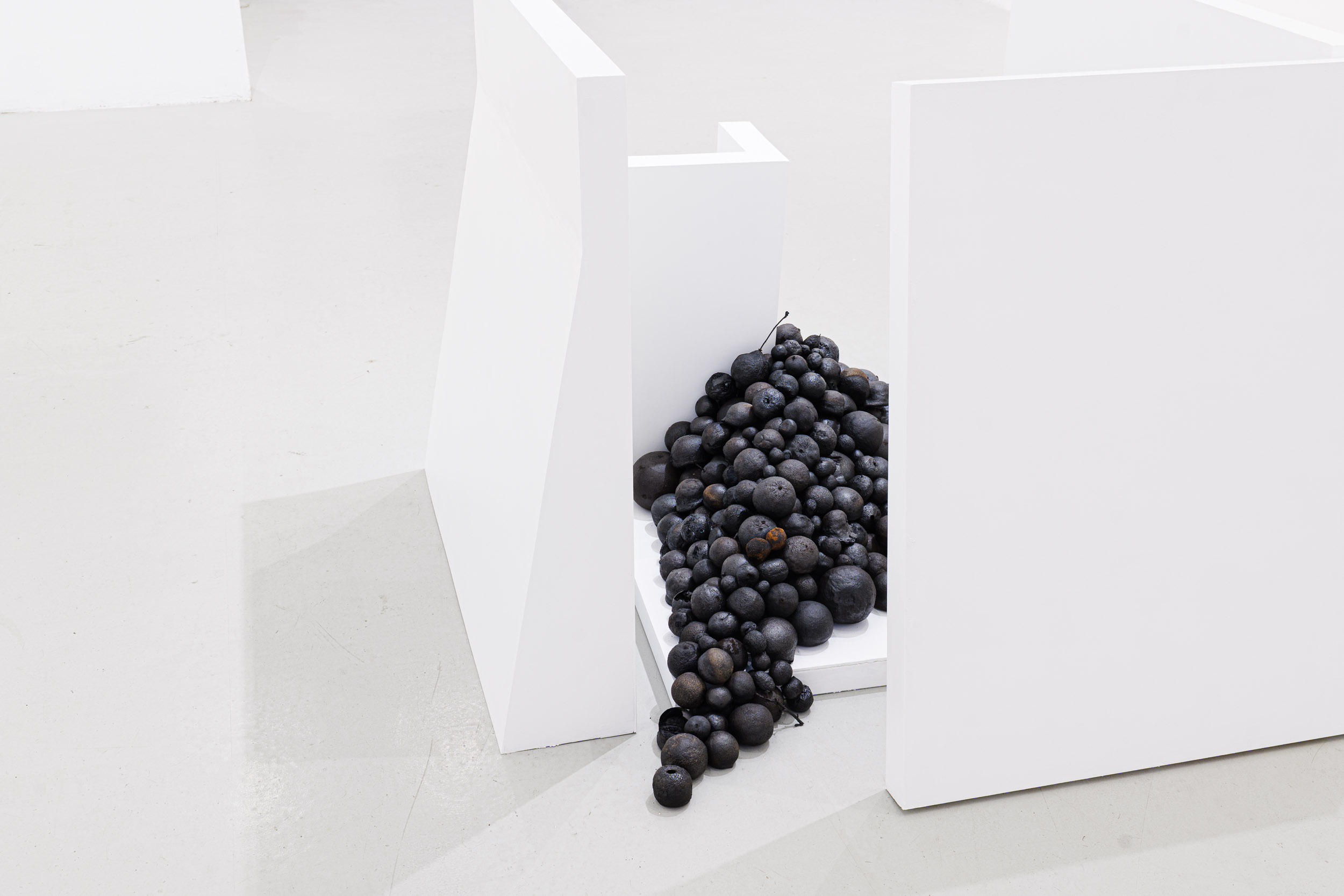
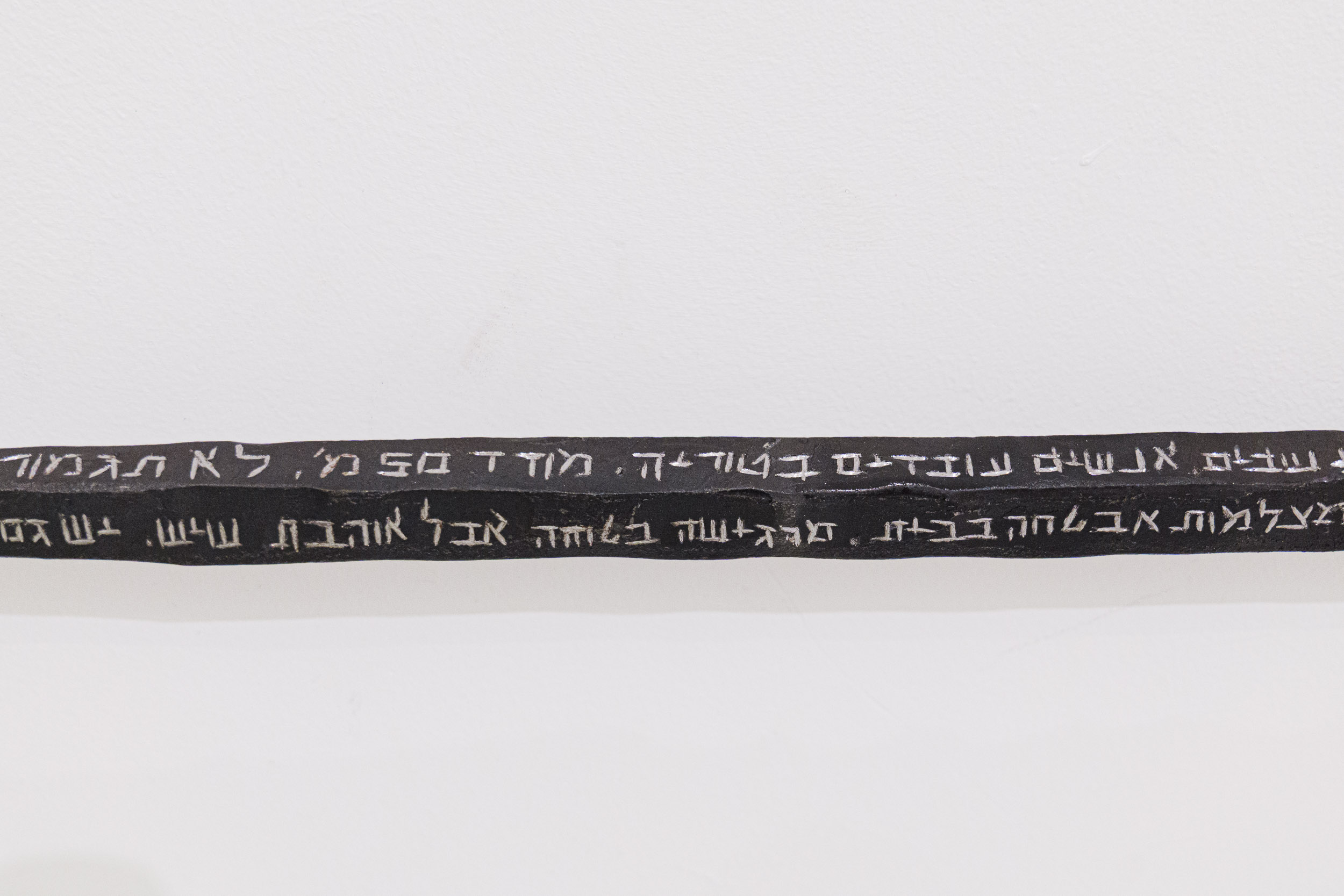
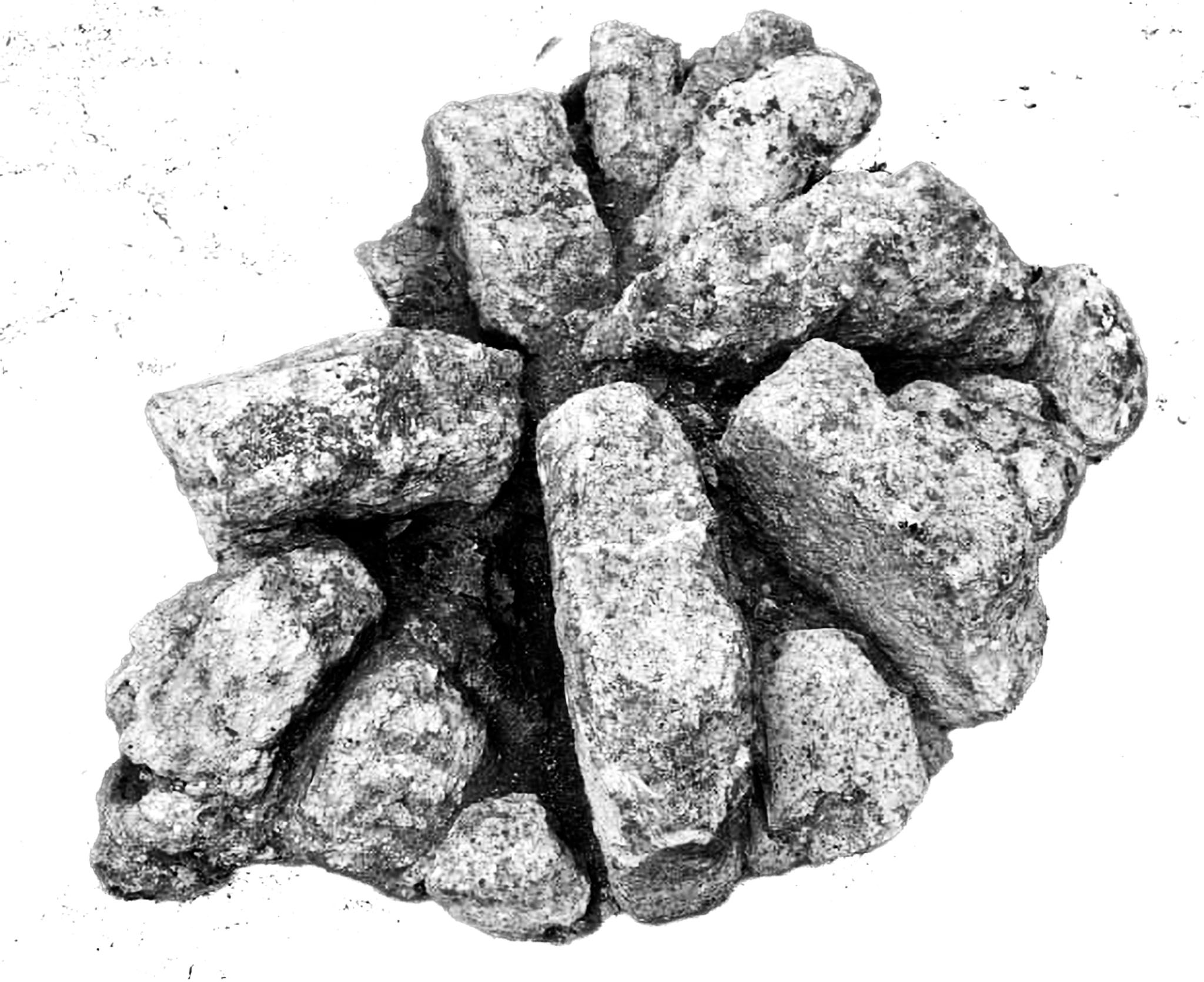
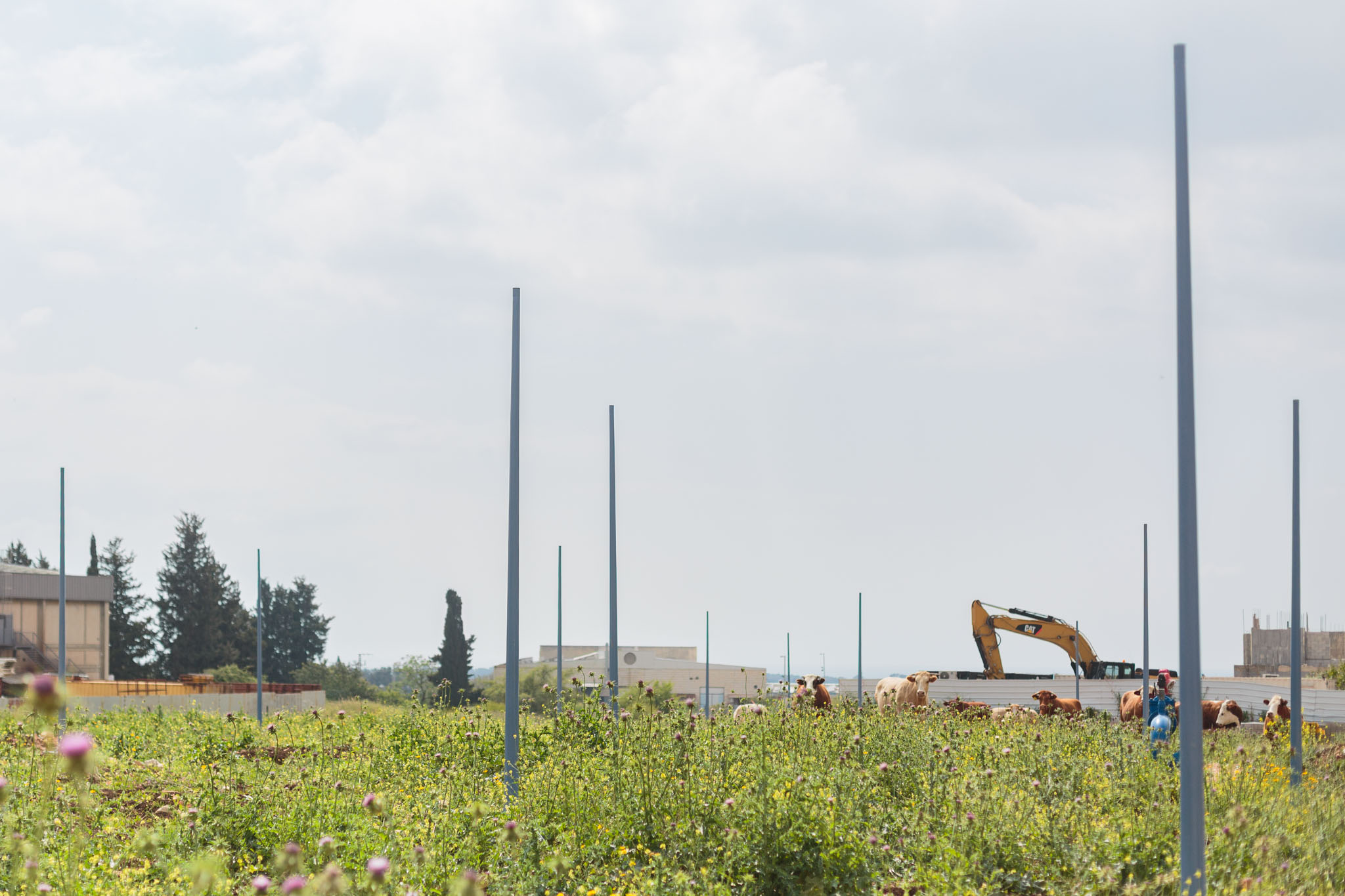
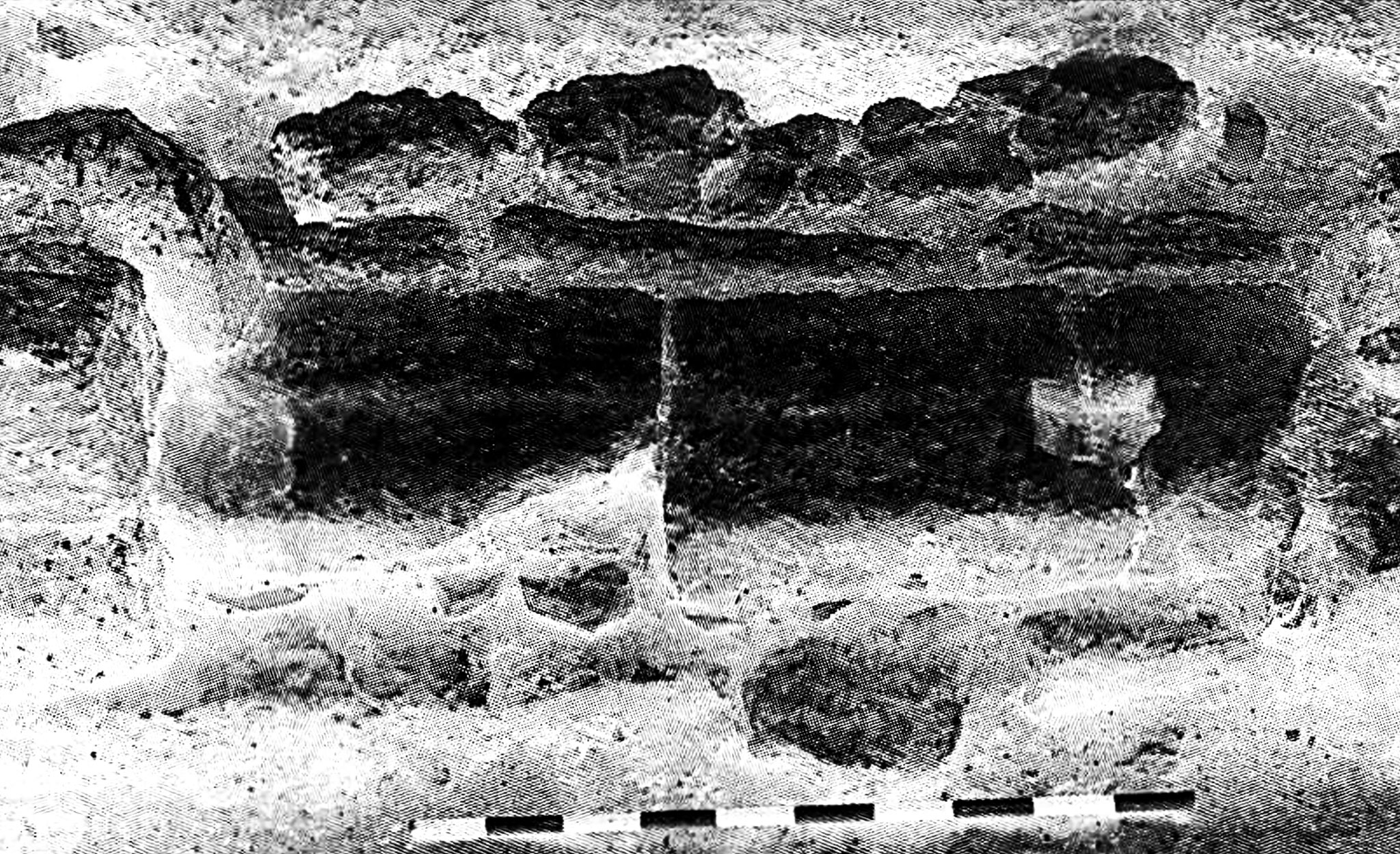
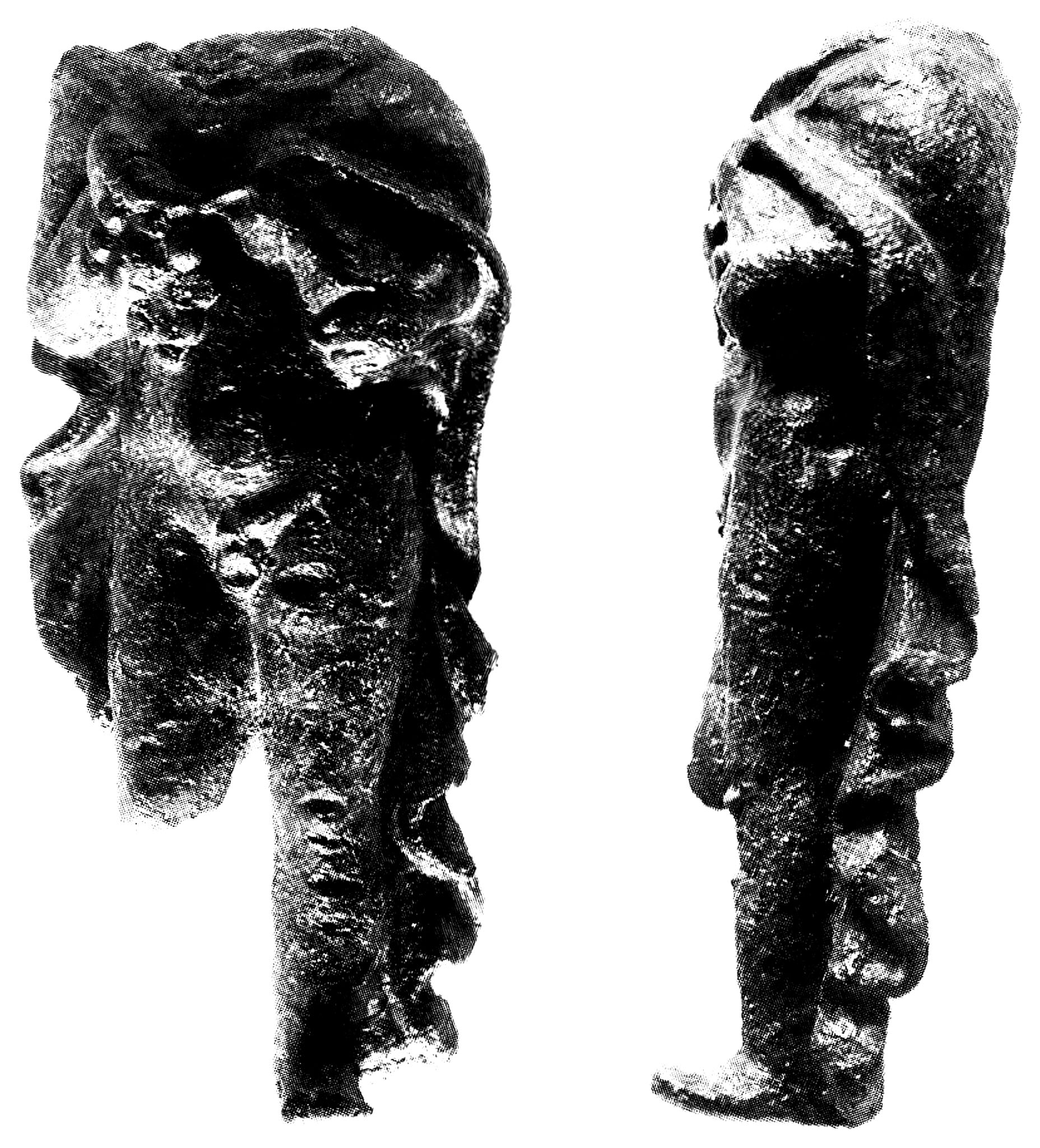
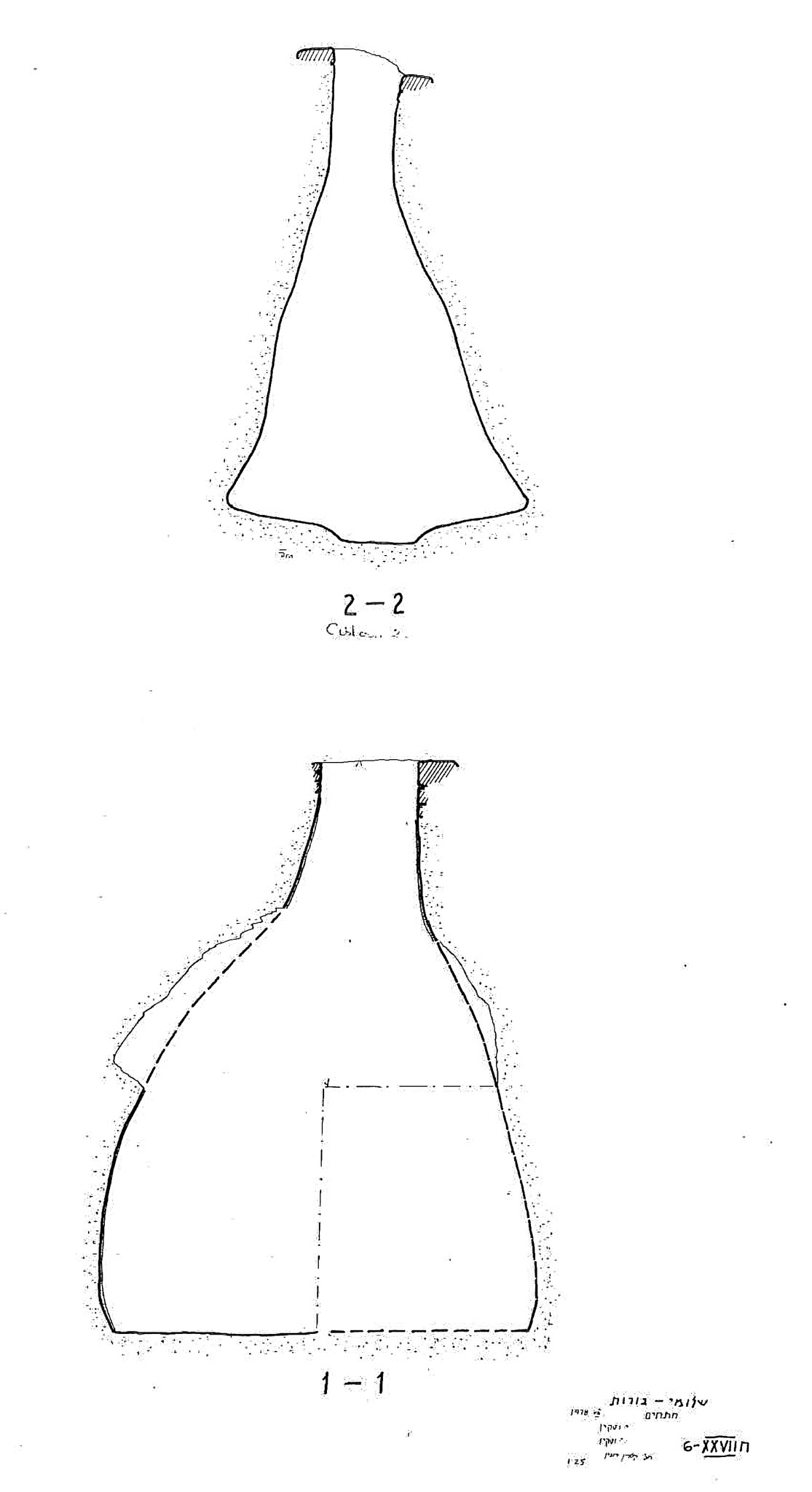
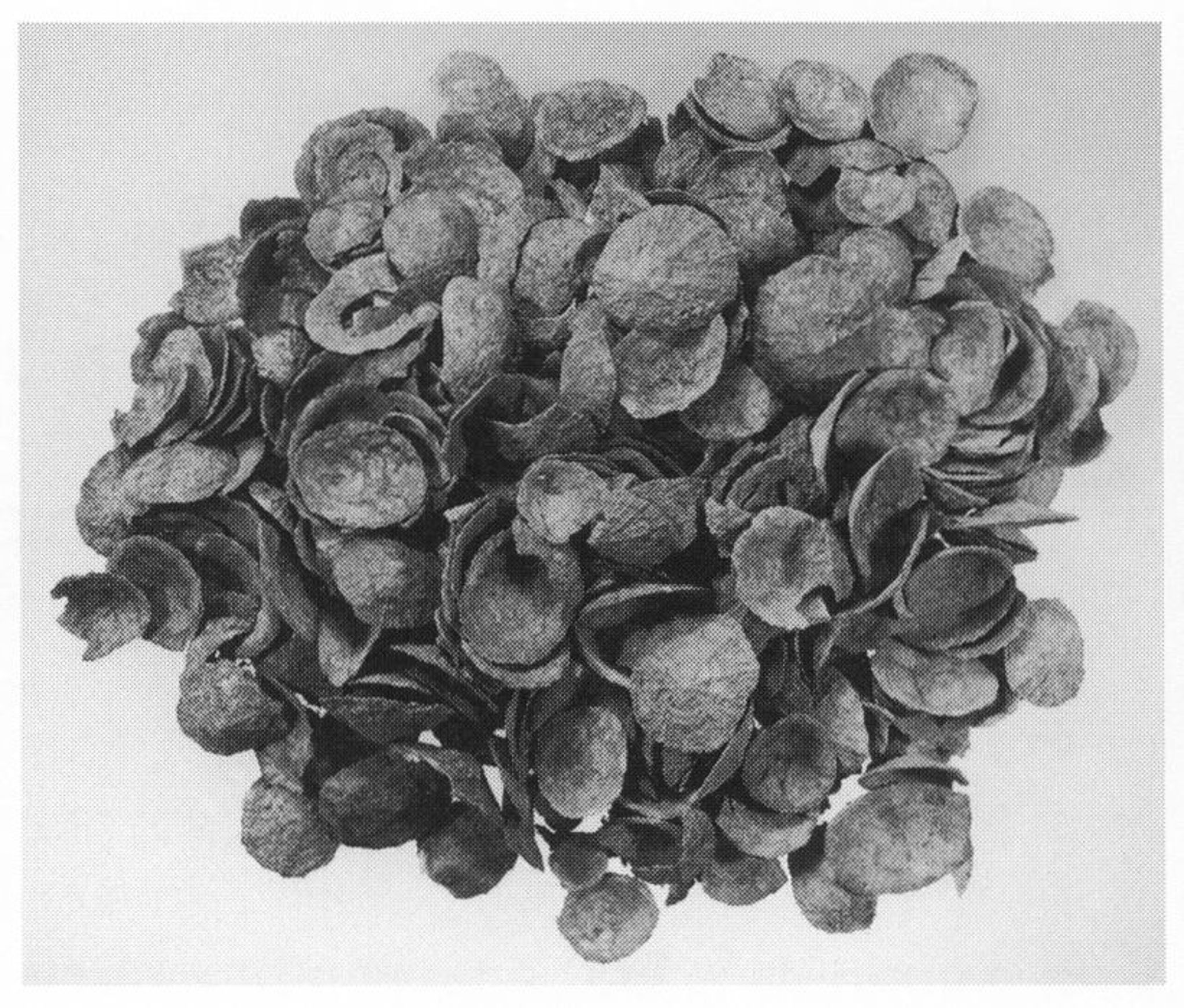
In this exhibition, I try to bridge the gap between Shlomi’s fragile present and its deep history. By replicating a rare five-cubit measuring rod—an archaeological find from Shlomi’s past as a Byzantine farm—I’m looking at the infrastructure of the land itself.
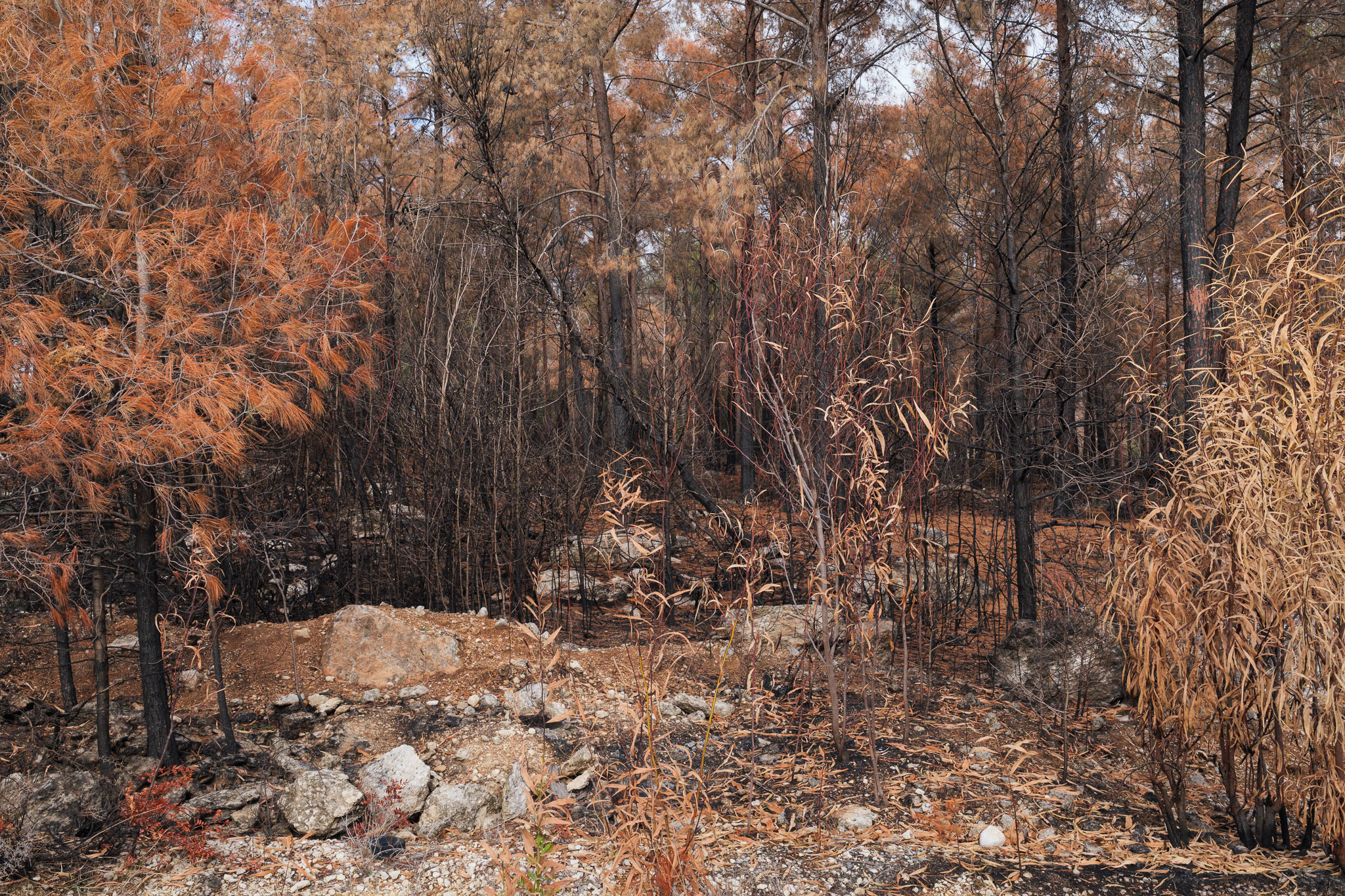
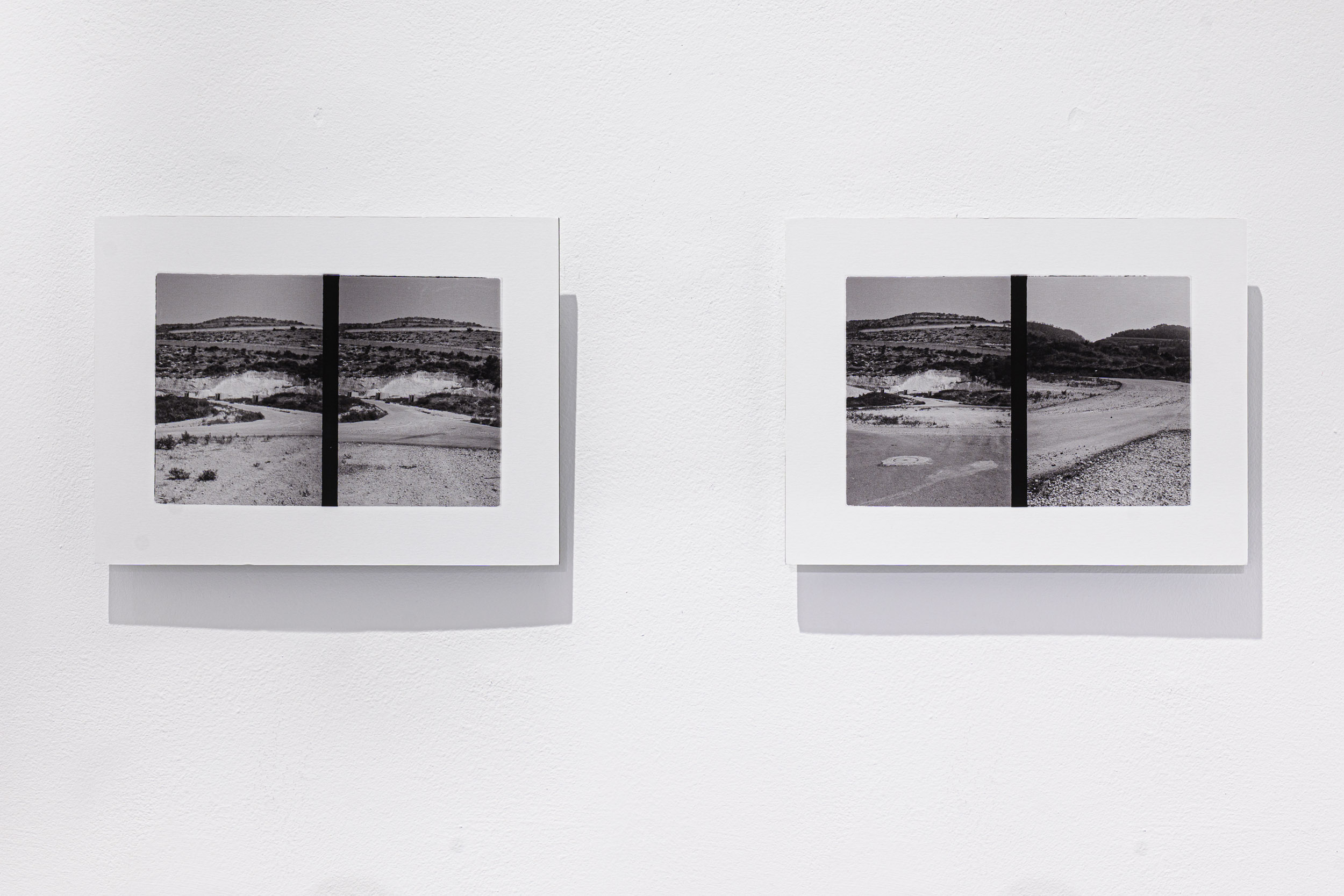
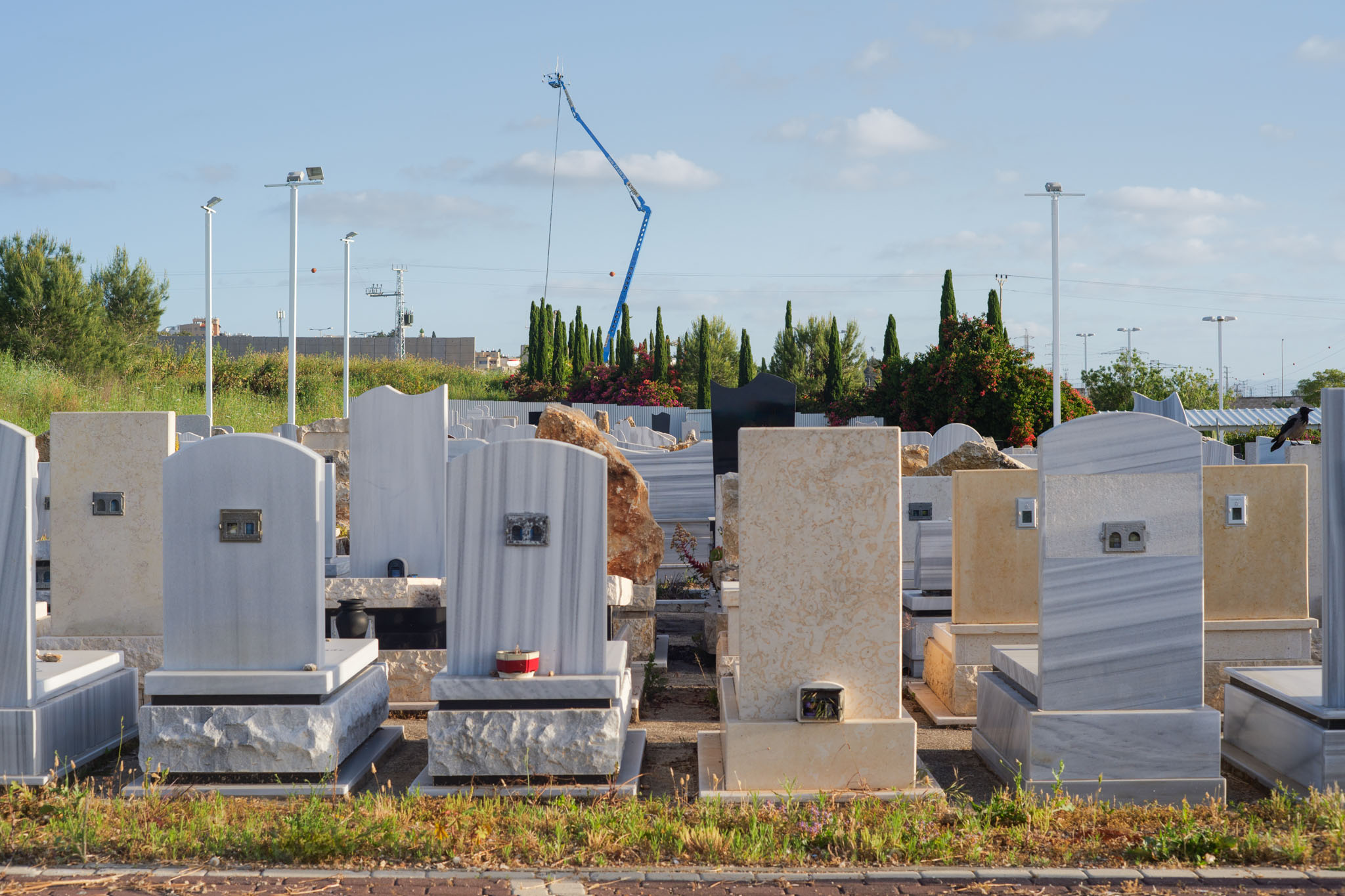
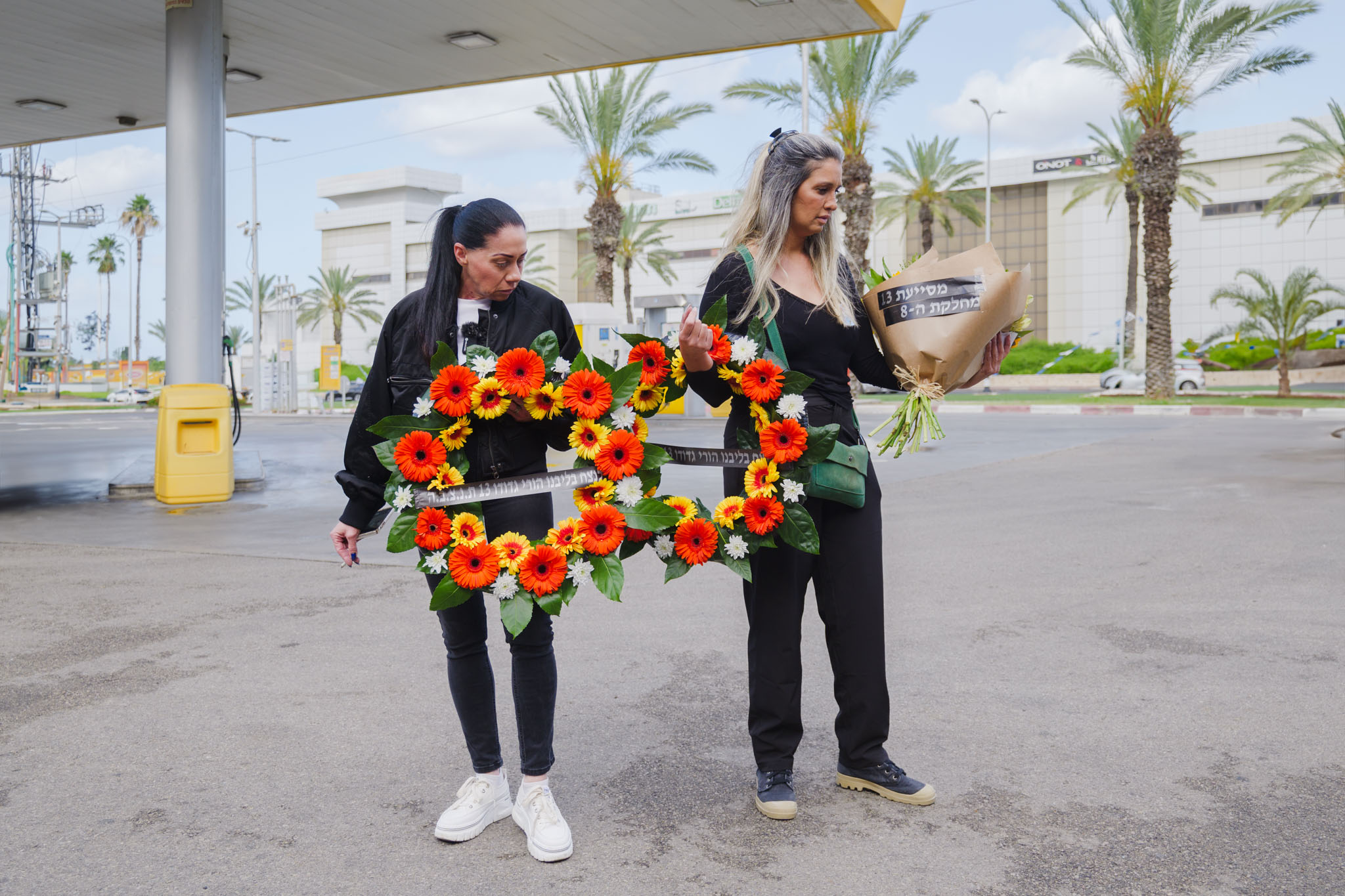
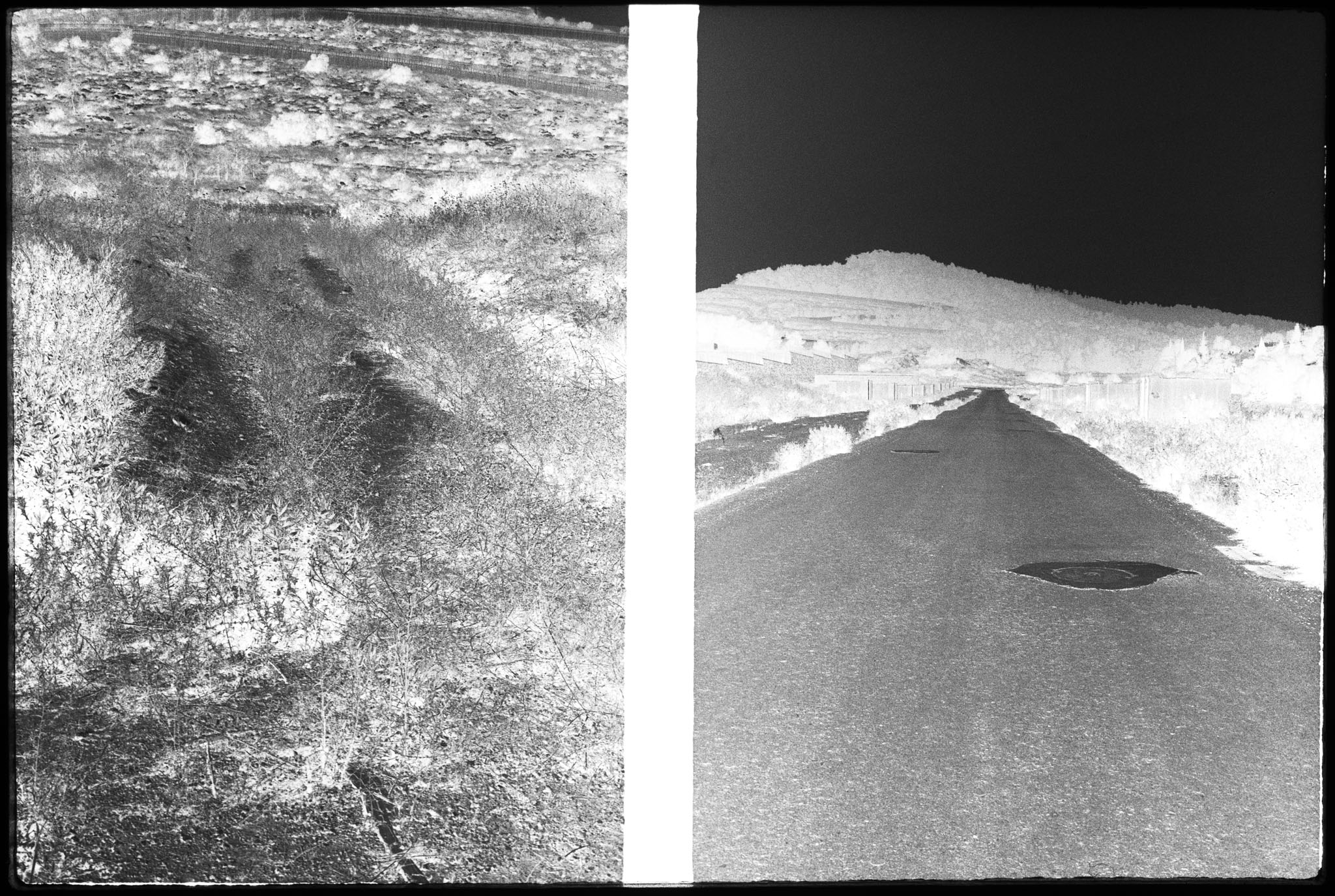
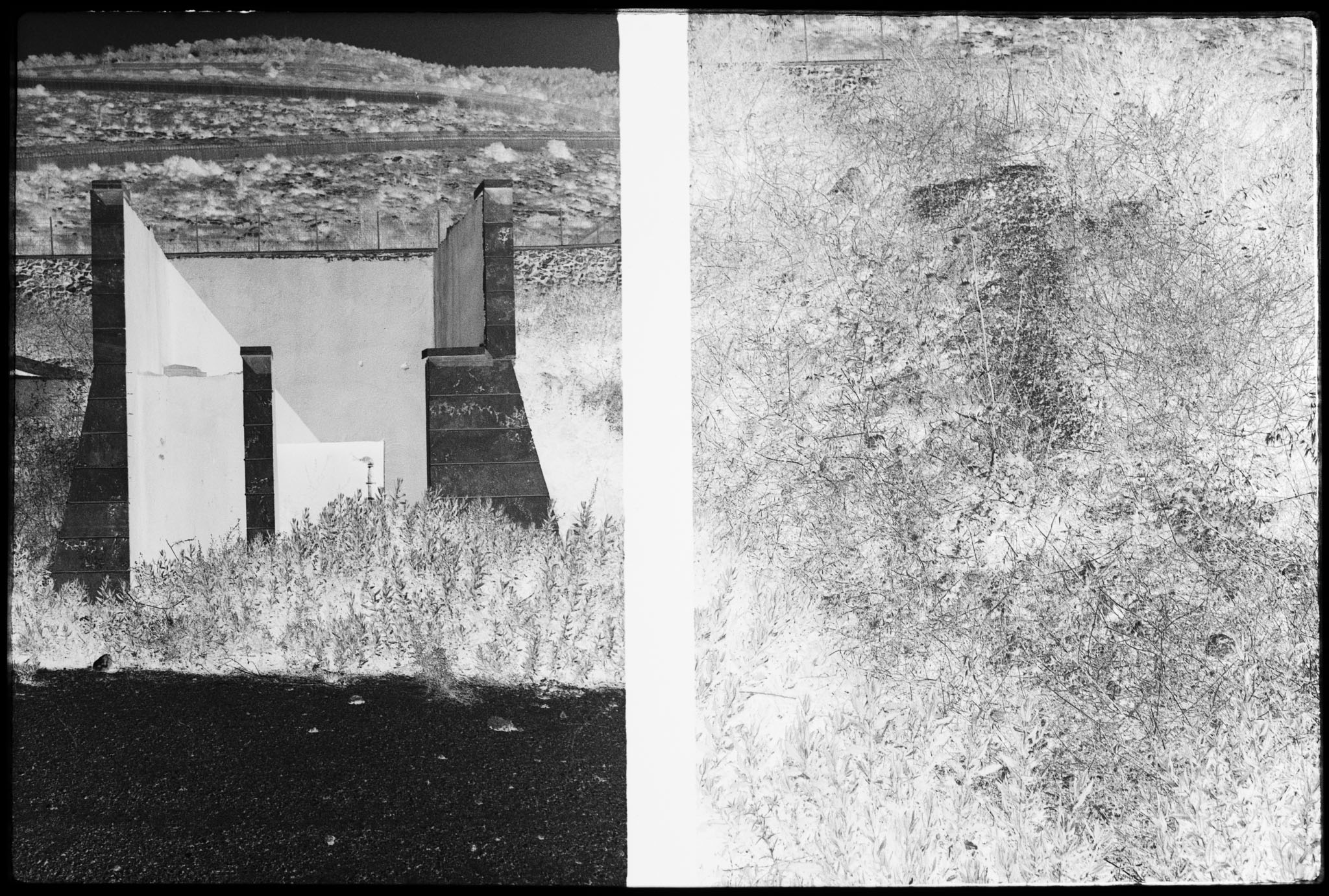
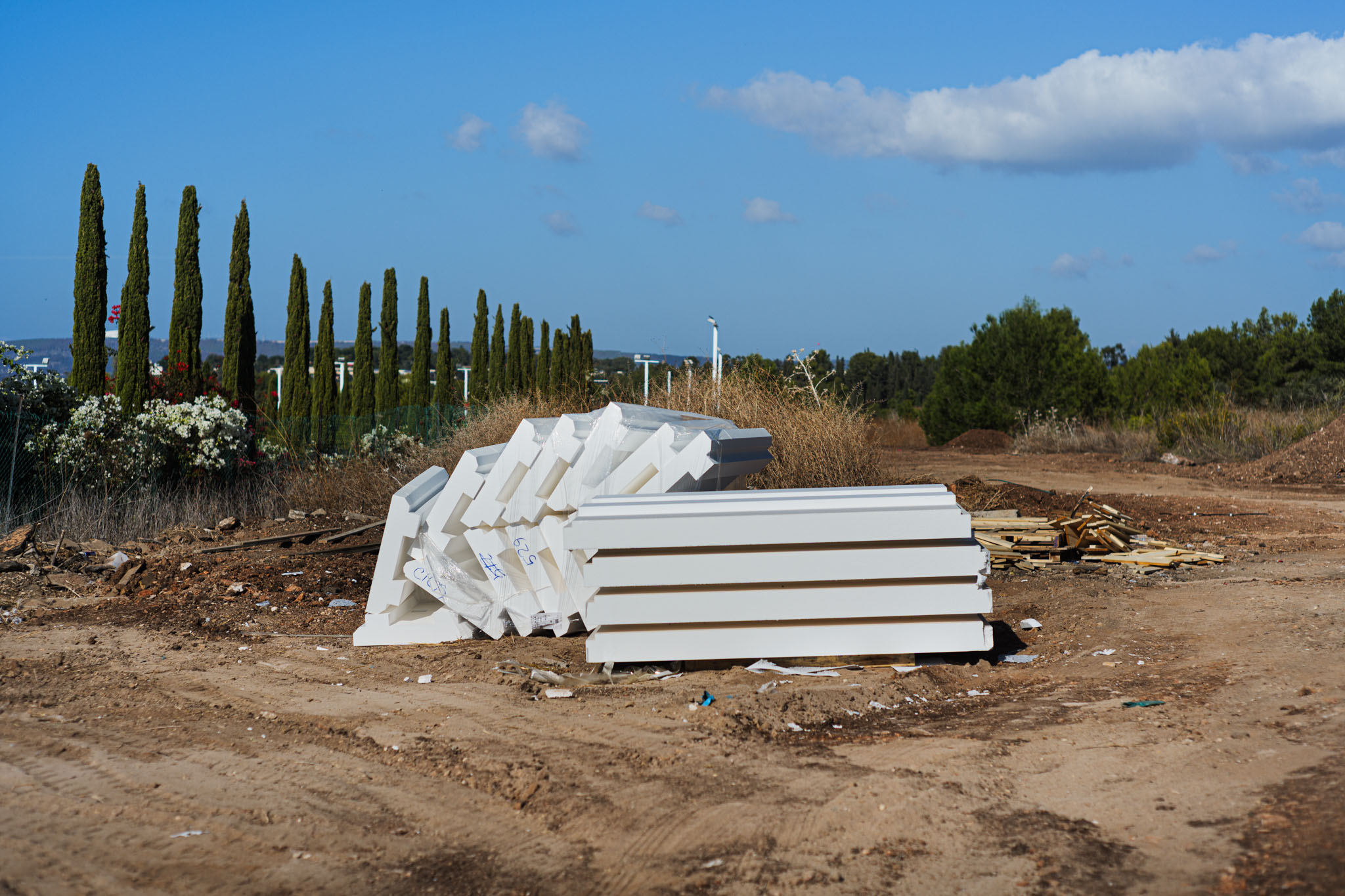
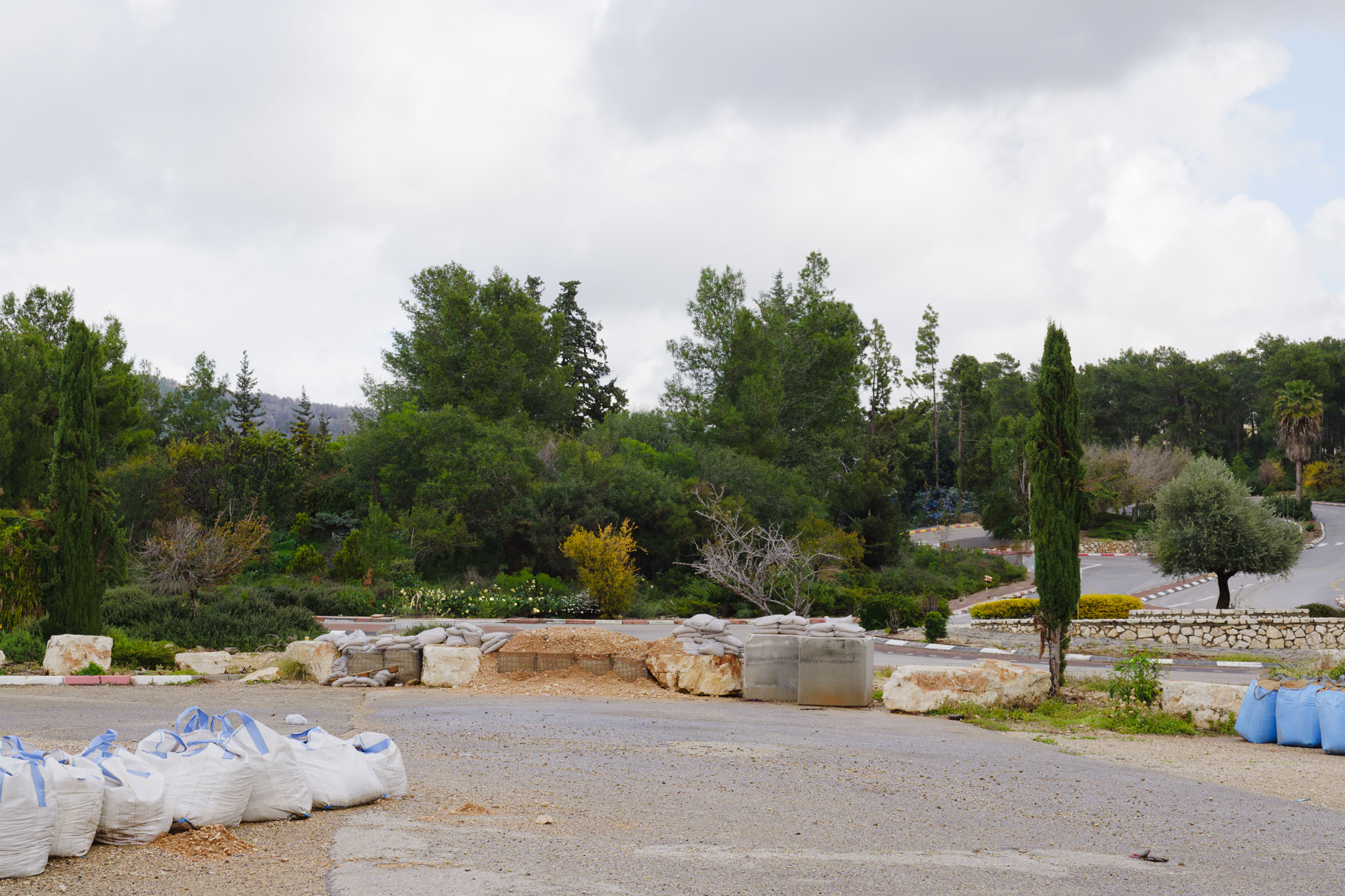
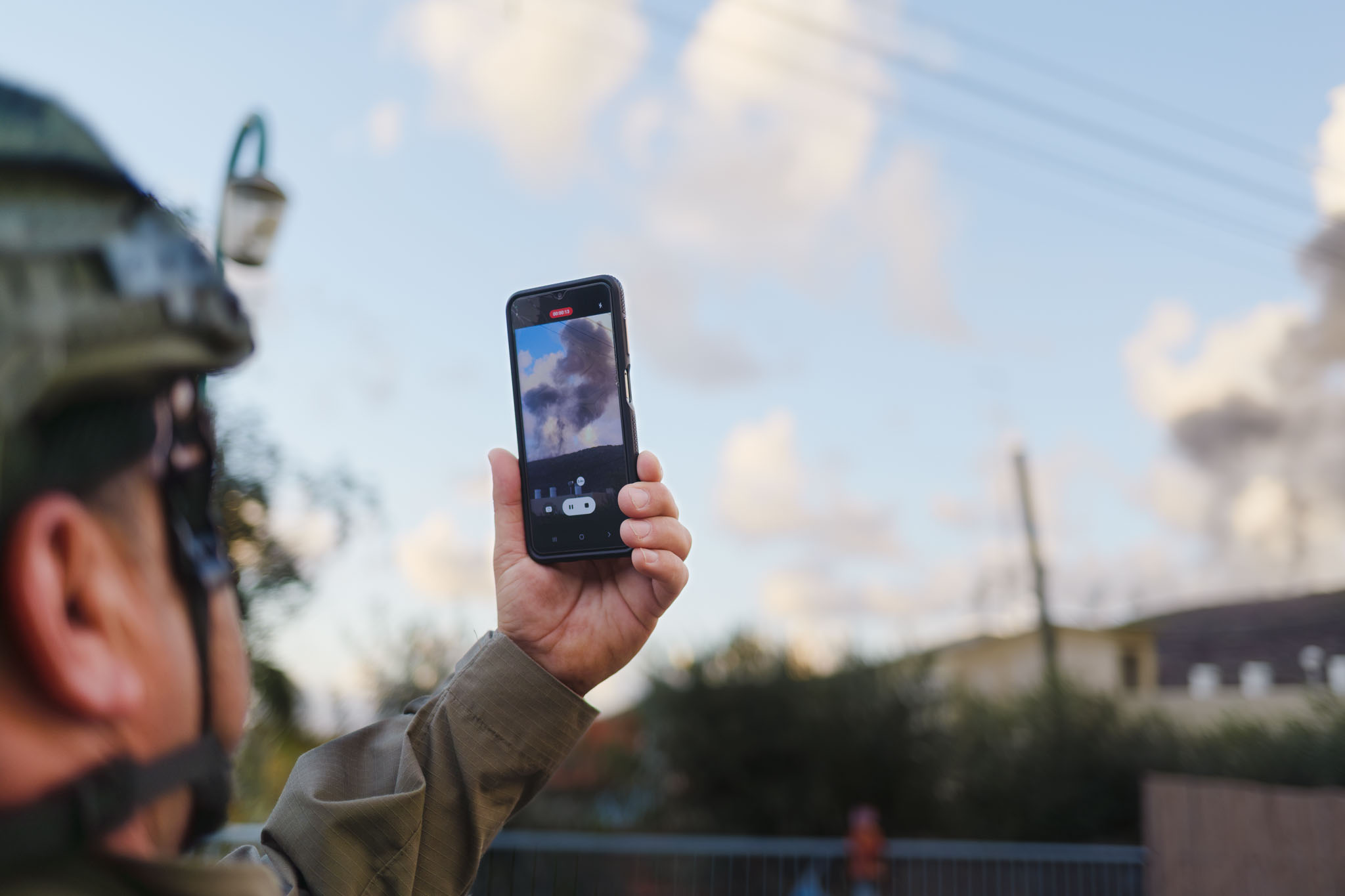
Just as the early war photographer Roger Fenton famously captured the Crimean War without ever showing a battle, I’ve chosen to focus on the echoes of the conflict rather than the violence. My work isn't about the front lines; it’s about the human persistence of "being there," the small acts of preservation, and the people who insist on turning a place into a home, even when they're being told it’s no longer safe to stay.
Avi watering + Exhibition soundtrack